
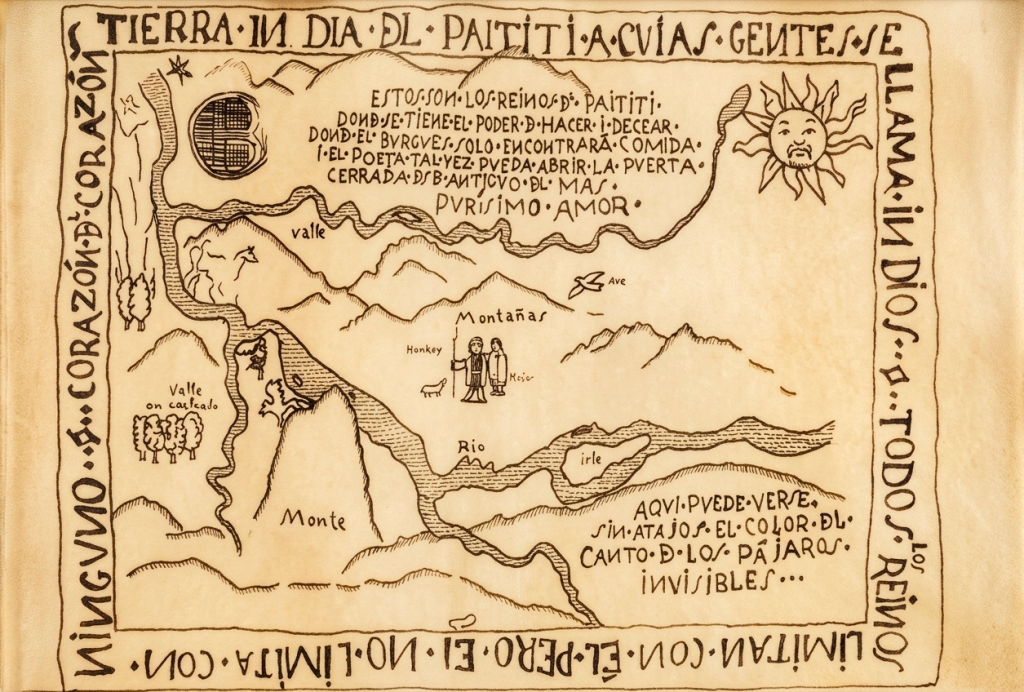
The legend of Paititi, considered by many to be the true lost city of the Incas, is one of the most captivating archaeological enigmas in South America. Unlike Machu Picchu, Paititi remains hidden, protected by the thick canopy of the Peruvian Amazon rainforest, waiting to be rediscovered.
Where is the legendary Paititi located?
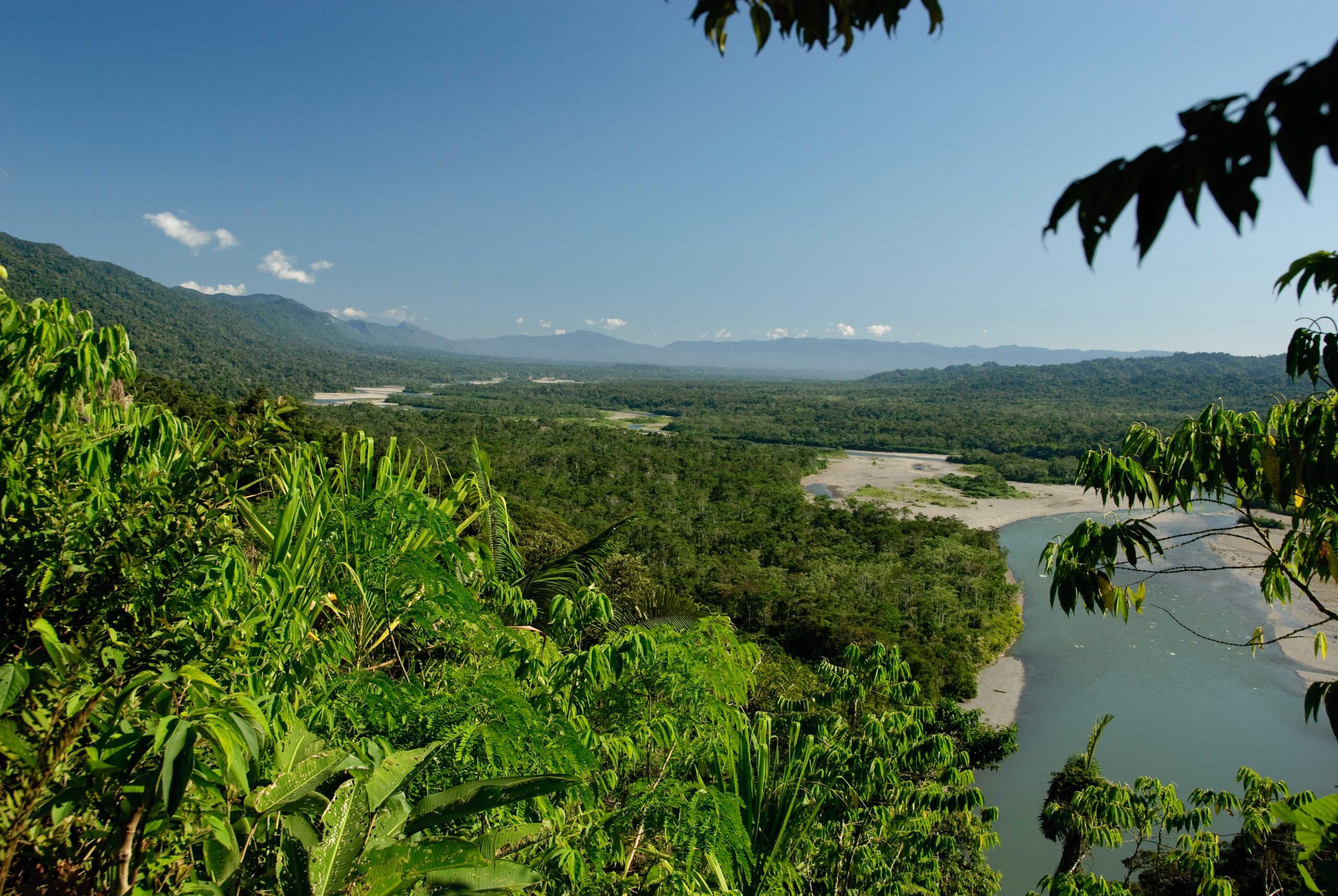
The most widely accepted theories place the location of this civilization in southeastern Peru, specifically in the Madre de Dios River basin, near Manu National Park. This region is one of the most biodiverse and least explored areas in the world, which explains why a city of such dimensions could remain hidden.
The geography of the area presents extreme challenges:
Dense jungle: Close vegetation that blocks conventional satellite imagery.
Complex topography: Deep canyons and mountains that are difficult to access.
Geographic isolation: Areas where modern human contact is nonexistent.
The origin of the legend: The refuge of the Inca elite
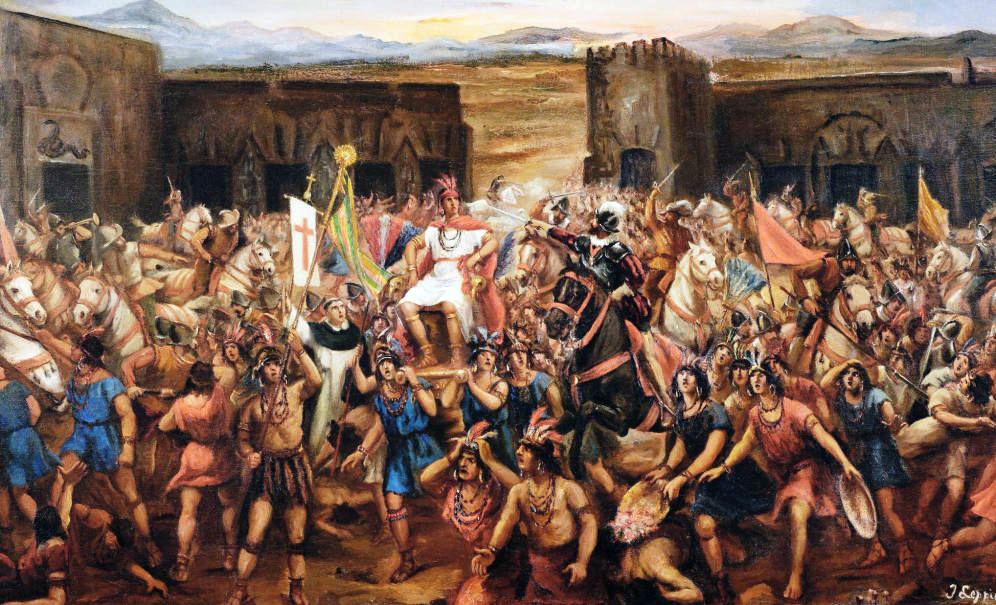
The story of the lost city of Paititi intensifies after the fall of Cusco. According to colonial chronicles, when the Spanish took control of the empire, a faction of the Inca nobility fled east (to Antisuyo).
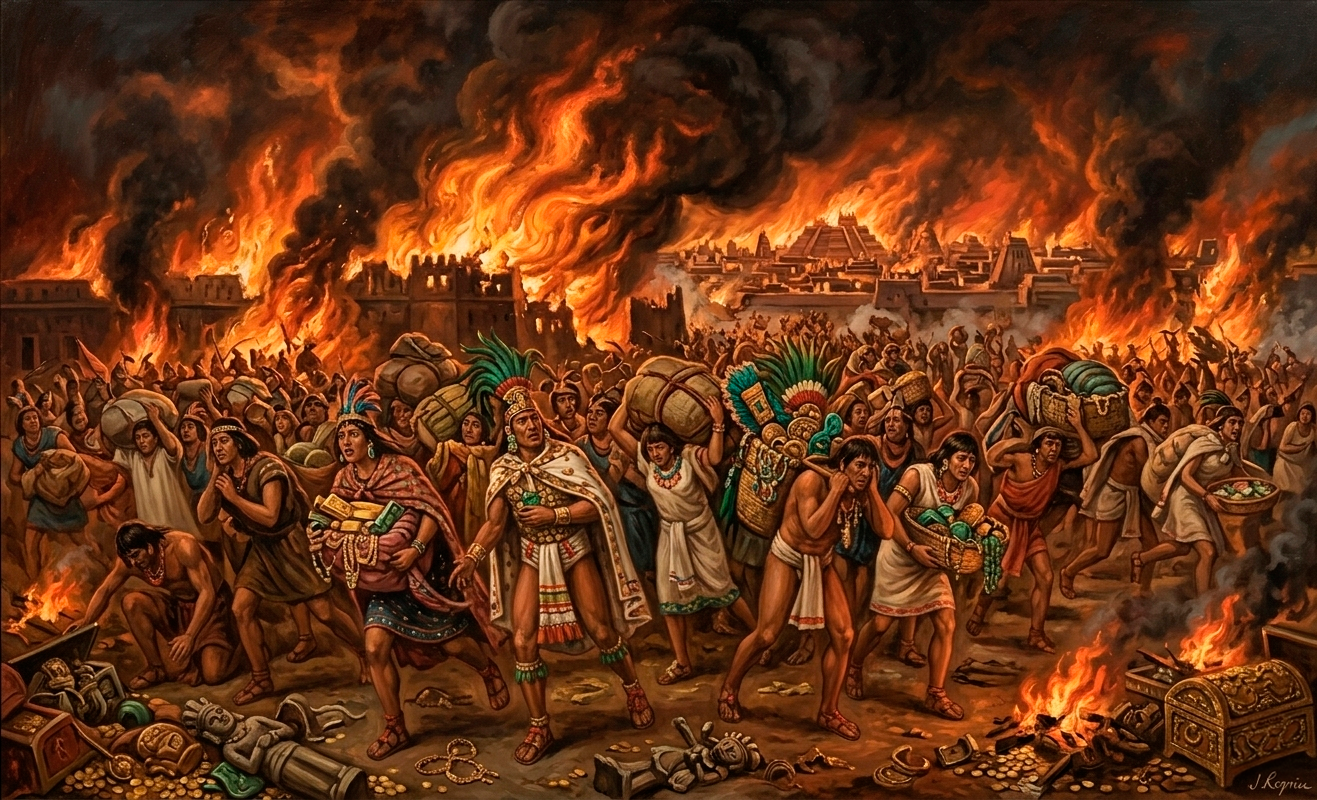
It is said that the Incas not only sought refuge, but also moved the Inca Treasure—sacred gold objects and ancestral knowledge—to preserve them from European ambition. Since then, Paititi has ceased to be just a refuge and has become a myth similar to that of El Dorado.
Throughout the centuries, the search for Paititi has attracted adventurers from all over the world:
Percy Fawcett: The British colonel disappeared in 1925 searching for a civilization he called “Z,” which many associate with the myth of Paititi.
Modern Expeditions: Researchers such as Gregory Deyermenjian and Thierry Jamin have dedicated decades to mapping petroglyphs and archaeological sites in the Peruvian jungle in search of Inca walls.
LiDAR technology: Real-world testing in the Amazon?
For a long time, skeptical archaeologists argued that the Amazon could not support large cities. However, LIDAR (laser scanning) technology has changed the paradigm.
@margaritaarnalmoscardo pahititi-LA CIUDAD PERDIDA DE LOS INCAS. Sabias que los conquistadores españoles no sometieron a todos los Incas?. La elite huyo y se llevo con ellos sus conocimientos, sus secretos y el Oro, se adentraron en el interior de la selva. Paititi la ciudad oculta. Verdad o leyenda?.....##culturaorigenes #margaritaarnal#feenlahumanidad #misteriosdelmundo #angelesydioses #origenextraterrestreluna #verdadesindigenas ♬ sonido original - Margarita Arnal Moscardo
Ancient Urbanism: Circular and pyramidal structures under the foliage.
Pre-Hispanic Roads: A network of routes connecting the Andes with the lowland rainforest.
Land Modification: Large-scale earthworks for agriculture suggest massive populations.
“LIDAR is demonstrating that the Amazon was not a virgin rainforest, but a densely populated landscape transformed by advanced civilizations.”
One of the points of greatest interest is the Paratoari (or Pantiacolla) Pyramids.
Although initially thought to be natural formations, their alignment and symmetry detected from the air suggest they could be artificial structures or, at least, sacred sites intervened by the Incas on their route to the lost city.
Does Paititi really exist? The answer lies somewhere between documented history and folklore. What is undeniable is that the Peruvian Amazon rainforest still holds secrets that science is only beginning to decipher.
Paititi represents the last great mystery of the conquest: the possibility that, in some unexplored corner of Manu, the descendants of the Incas have kept their culture alive far from the Western world.