

In a world filled with uncertainties, a question arises that has troubled philosophers and scientists alike: Do we control our destiny, or is it predetermined from the beginning? This question invites us to explore the depths of our existence and the role that chance and free will play in the construction of our lives.
In reflecting on this topic, we enter into a centuries-old debate that spans from ancient Greece to modern quantum theories. Every choice we make, from everyday decisions to major life changes, confronts us with the possibility that our actions are simply manifestations of a greater plan or genuine expressions of self-determination.
Through practical examples, such as decision making under uncertainty and the impact of chance events in our lives, we seek to understand whether we are the architects of our destiny or mere actors in a prescribed script.
The definition of destiny
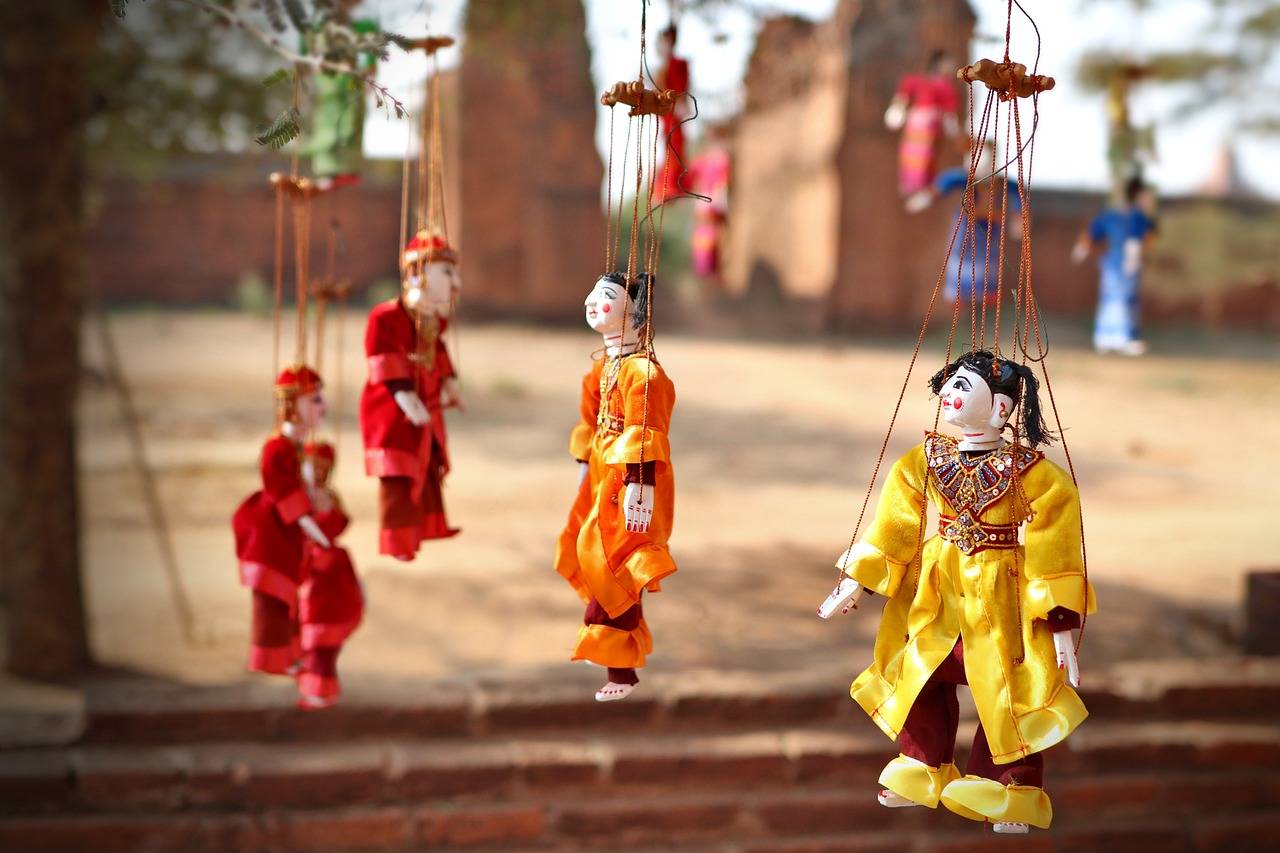
However, a contrary perspective suggests that we are the architects of our own destiny, able to shape our future through conscious choices and deliberate actions. This view empowers the individual, highlighting the importance of free will and the human capacity to influence the course of life through informed and courageous decisions.
The duality between predetermined destiny and free will has been debated for centuries, and remains a relevant topic in contemporary thought. Factors such as genetics, environment, and personal experiences play a significant role in this intricate debate.
Chance and existence
Reflecting on chance and our existence leads us to question the very nature of our paths. If nothing is predetermined, why can two individuals facing similar situations experience such different outcomes?
This phenomenon immerses us in the fascinating world of chance, which challenges determinism and reminds us that each event can trigger endless possibilities. The famous maxim that “everything has a cause” invites us to explore beyond the obvious, suggesting that small variations in time and space can lead to divergent outcomes.

This is particularly intriguing when we consider scientific studies such as the butterfly effect, which illustrates how minute changes in a system can have unpredictable long-term effects.
When we look at the cause of our existence, we are not only asking about the why of our presence, but also about the coincidences and decisions that shape our destiny. For example, the odds of a person being born in a specific place and circumstances are incredibly low, estimated at 1 in 400 trillion, which underscores the extraordinary serendipity of our own existence. This perspective invites us to embrace uncertainty and appreciate the miracle of living.
Self-improvement and free will
Self-improvement and free will lie at the heart of how we perceive and shape our destiny. As we face life’s trials, every choice we make contributes to our conscious evolution. This process not only challenges our limitations, but also offers us the opportunity to redefine our destiny, beyond the imposed circumstances. Consider someone who is born into an adverse environment, where opportunities are scarce.
For this person, the path to self-improvement requires facing deep fears and frustrations. However, the true essence of free will lies in the ability to choose, even when the cards seem to be against you. This ability to choose is what can transform an apparent lack of luck into a destiny full of possibilities and growth.
This dilemma highlights the importance of context in our lives: Why are some born into favorable circumstances while others are not? Although the answer to this question may be elusive, it offers us valuable insight into the role of free will. By making conscious, deliberate choices in the face of difficulties, we not only shape our destiny, but we also elevate our perception and understanding of life itself.
Tools to explore the destination
Exploring destiny is a quest that has fascinated humanity for centuries.
Tools such as the Tarot, astrology, and palmistry are presented as means to understand and sometimes influence the course of our lives.
These practices not only interpret the cosmic patterns and lines on our hands, but also invite personal reflection and self-discovery.
Destiny is often perceived as a series of random events, but by delving into these traditions, we find meaning and purpose.
Surging ourselves becomes a path to a chosen, not imposed, destination.