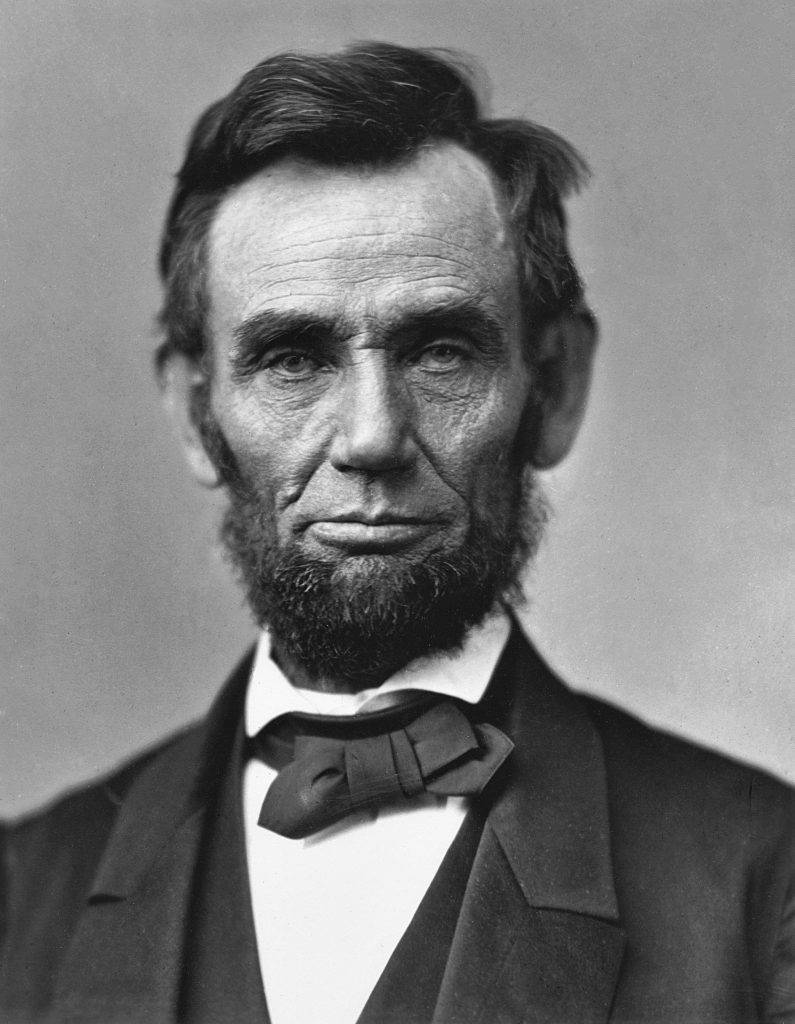
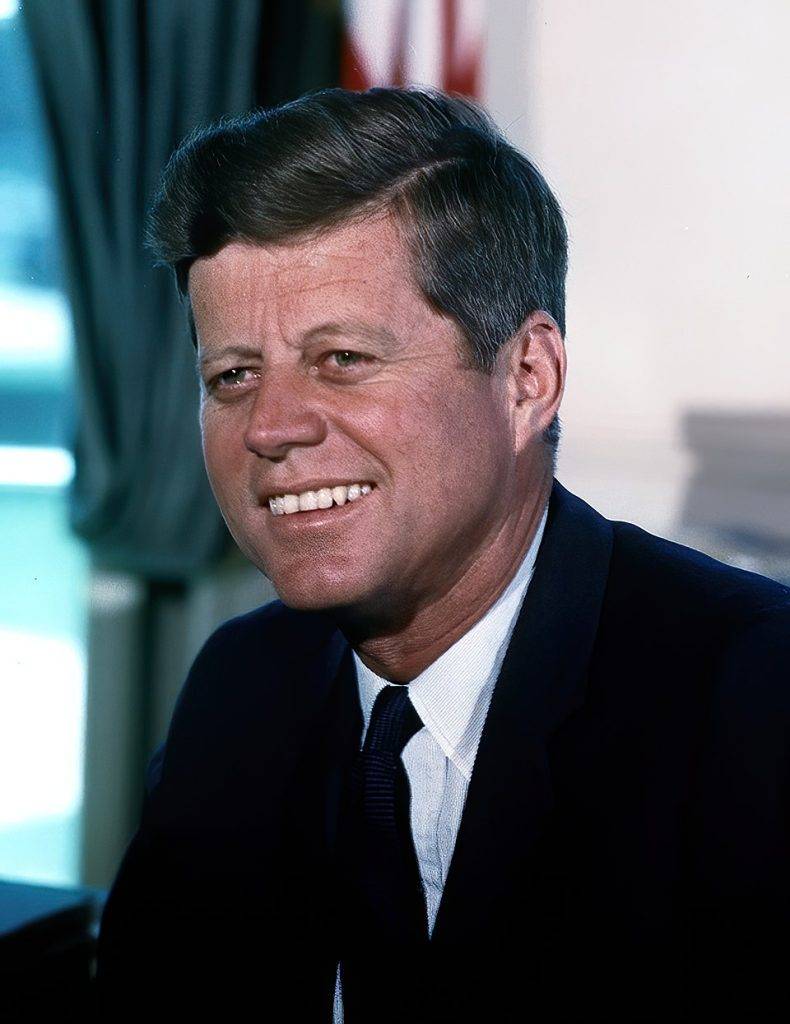

In the vast and intriguing field of spirituality, the surprising coincidences in the lives and deaths of Presidents Abraham Lincoln and John F. Kennedy have been the subject of fascination and debate. Both leaders, fervent defenders of civil rights, share a number of similarities that go beyond mere coincidence.
Elected a century apart (Lincoln in 1860 and Kennedy in 1960), their names consist of seven letters each, they were assassinated on a Friday along with their wives, and they had secretaries with the other president’s last name.
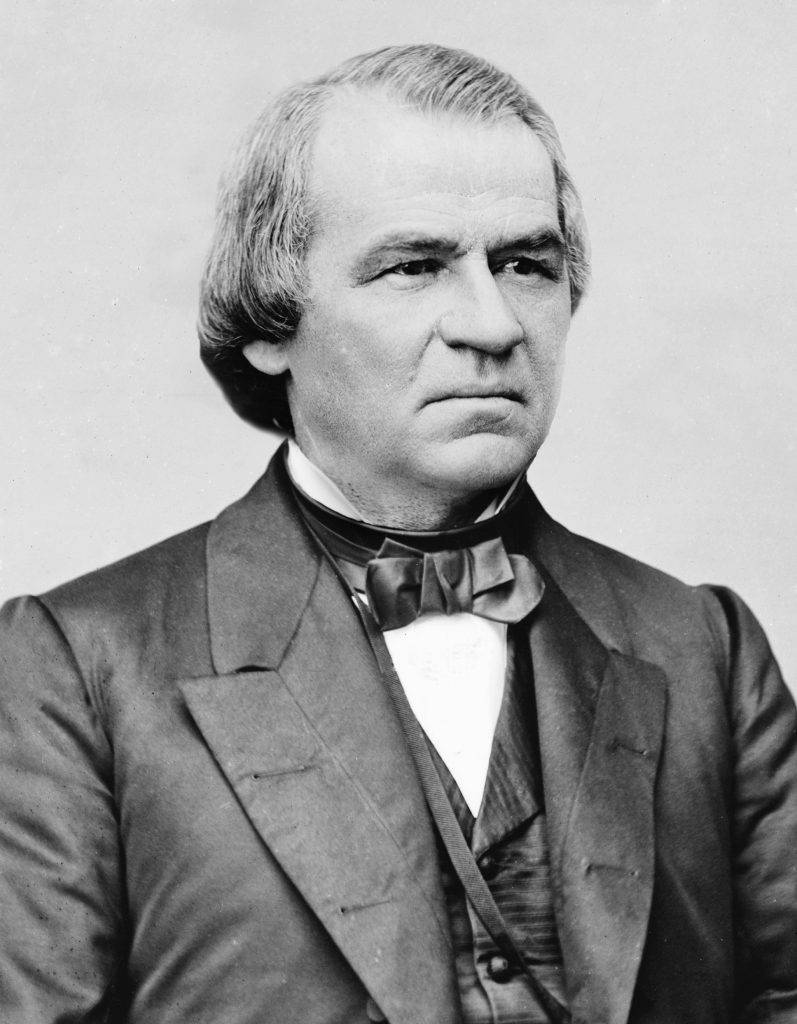
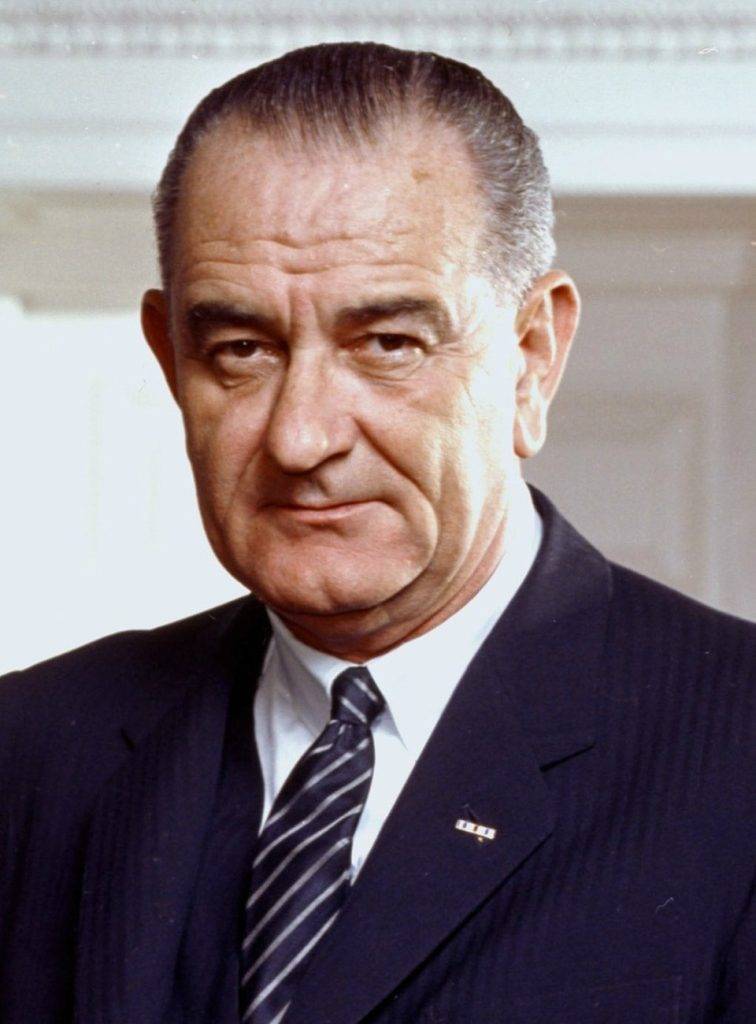
Furthermore, their successors, both named Johnson, were born exactly one hundred years apart. These and other coincidences in their personal and political lives invite us to reflect on the historical interconnectedness that might exist on a deeper level. Discover more about this fascinating subject and let yourself be carried away by the mystery surrounding these two great men.
Similarities in their choice and names
The similarities between Abraham Lincoln and John F. Kennedy are striking and go beyond their roles as U.S. presidents. One of the most striking parallels is the coincidence of their election years: Lincoln was elected president in 1860, while Kennedy was elected exactly one hundred years later, in 1960. This exact century-long interval has fascinated historians and curious observers alike.
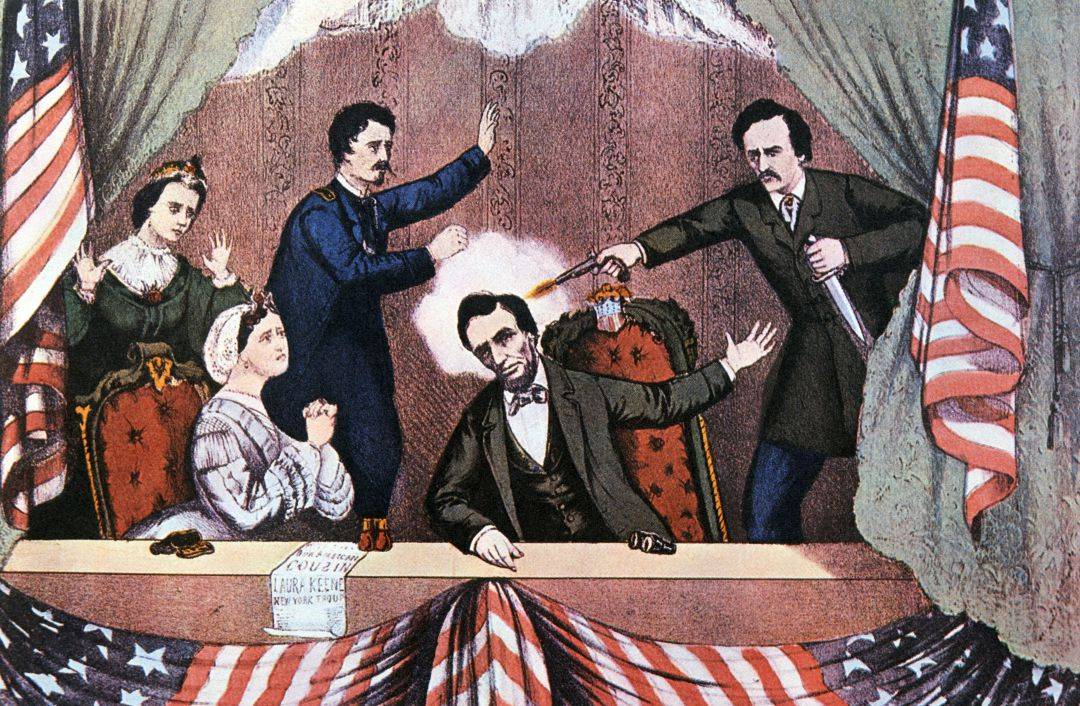
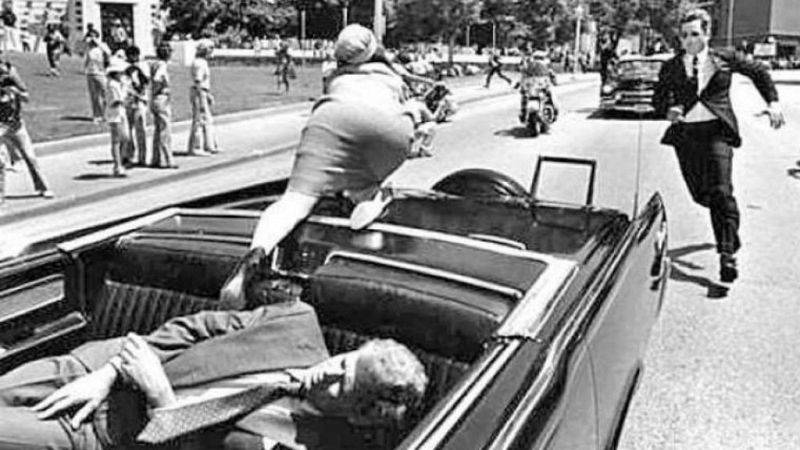
Another curiosity lies in the number of letters in their full names. Both “Lincoln” and “Kennedy” consist of seven letters, a coincidence that adds an even more intriguing nuance to their stories. But perhaps most striking is the similarity in the circumstances surrounding their tragic ends. Both presidents were assassinated on a Friday, accompanied by their wives at the time of the attack.
Lincoln was assassinated at Ford’s Theatre, while Kennedy was killed in a Lincoln automobile manufactured by the Ford company, a detail that many consider a strange irony of fate.
Lincoln’s assassin, John Wilkes Booth, initially fled a theater and hid in a warehouse. Similarly, Kennedy’s assassin, Lee Harvey Oswald, fled a warehouse and took refuge in a theater. This reversal of scenarios adds a layer of mystery to the narrative of both historical events.
Coincidences of your environment
The similarities between the environments of Abraham Lincoln and John F. Kennedy are truly astonishing and have intrigued historians and enthusiasts alike for decades. Starting with their secretaries, Lincoln had a secretary named Kennedy, while Kennedy had a secretary named Lincoln, highlighting a surprising connection between the two leaders. This curiosity is just the beginning.
Another notable coincidence lies in the successors of both presidents. Lincoln’s successor was Andrew Johnson, born in 1808, while Kennedy’s successor was Lyndon B. Johnson, born in 1908, a century later. This temporal parallel adds another layer of mystery to the already fascinating relationship between the two leaders.
But the similarities don’t end there. Lincoln’s father, a key figure in his administration, was born in 1839, and Kennedy’s father was born exactly one hundred years later, in 1939. These coincidences underscore the strange connection that seems to unite these two presidents across time.
These curiosities not only fuel popular interest but also highlight the numerous and mysterious historical interconnections that continue to spark fascination and wonder for entire generations.
The historical interconnection
The historical interconnectedness between events and people can challenge our conventional understanding of the past. These surprising coincidences show us that history may be more intertwined than we imagine, revealing surprising links that span time and space. For example, the similarity between the names and elections of key historical figures may seem fortuitous, but it suggests underlying patterns that deserve further investigation.
Such interconnectedness not only fascinates historians and enthusiasts but also offers a fresh perspective on how events influence one another. With each discovery, we get closer to understanding the intricate fabric that makes up our historical narrative. If you’d like to delve even deeper into these fascinating coincidences and understand how they shape our view of the past, I invite you to continue exploring this intriguing topic with me.


