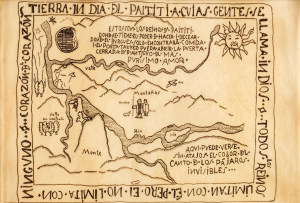

In an intriguing twist to the scientific debate, theories are emerging that challenge the established narrative about the origin of humanity. While it is conventionally accepted that our species emerged approximately 200,000 years ago, at the culmination of an extensive evolutionary process of several million years, new hypotheses suggest alternative scenarios that challenge this chronology.

These theories raise the possibility that external factors, perhaps not yet fully understood, have influenced human evolution more than previously acknowledged. Modern science has begun to explore these perspectives with an open mind, considering fossil and genetic evidence in a different light.
This approach not only seeks to enrich our understanding of the past but also to question fundamental assumptions about how we became the complex and technologically advanced species we are today. Thus, a crucial conversation begins to reexamine the roots of the human family tree.
Questioning the theory of evolution
Darwin’s theory of evolution, long a cornerstone of modern biology, is facing increasing challenges.
In particular, the remarkable evolutionary leap that occurred over the past 100,000 years defies traditional explanations based on random genetic mutations and natural selection. This advance, characterized by unprecedented cognitive and cultural development, seems difficult to reconcile with the gradual and cumulative pace Darwin proposed.
Mathematically, the probability that such complex changes arose solely by chance is negligible, which has led some scientists to explore alternative theories.
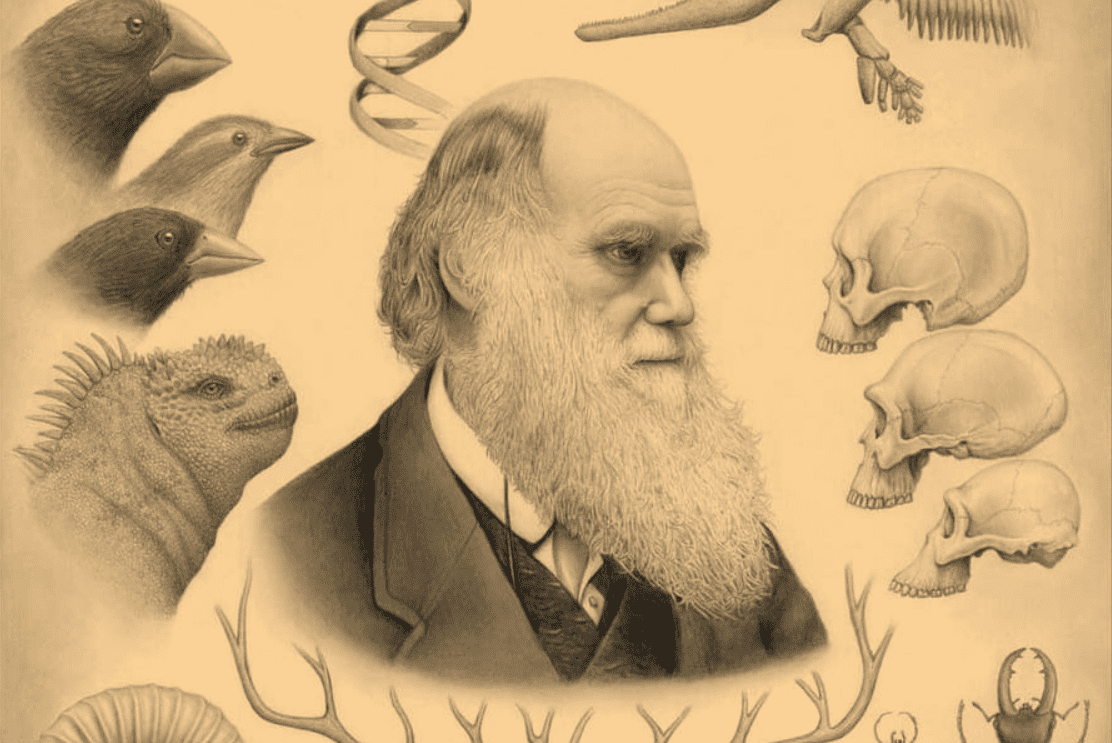
Modern technology, such as advanced genomic analysis, offers new tools for investigating these unknowns, but also underscores how much we still need to understand about the evolutionary process that shaped us. These developments invite a critical review of Darwinian theory, fostering an ongoing scientific dialogue about the origin and evolution of humanity.
These theories suggest that additional, potentially unknown, factors could have influenced the course of human evolution. Furthermore, the discovery of ancient artifacts and structures that exhibit levels of technical and artistic sophistication previously considered impossible for their time reinforces the idea that our current understanding may be incomplete.
The manipulation of human DNA
The idea of genetic manipulation of human DNA is both fascinating and skeptical. This theory suggests that approximately 100,000 years ago, an extraordinary event altered our genetic code, giving us unprecedented intelligence compared to early hominids. The main question is who or what was capable of such a feat. Some propose that an advanced civilization, possibly of extraterrestrial origin or already established on Earth, may have deliberately intervened to encourage a significant evolutionary leap.
This alleged act of genetic manipulation could explain the sudden emergence of advanced cognitive abilities, which laid the foundation for the development of the complex and technologically sophisticated societies we know today.
Despite the lack of conclusive evidence, this hypothesis invites us to reconsider our understanding of the human past and explore the possibilities that we are not alone in the universe or that our evolution is influenced by external forces. Such speculation, although controversial, enriches the debate about the origin and history of humanity, suggesting that we still have much to discover about our ancestors and our species’ formidable journey toward knowledge and self-understanding.
Evidence of advanced ancient civilizations
Recent discoveries at Göbekli Tepe, Turkey, have shaken conventional notions about the rise of civilizations, revealing that a surprisingly advanced society existed at least 12,000 years ago.
This archaeological site, often considered the world’s oldest temple, challenges the conventional chronology that placed the earliest civilizations in the fertile valleys of the Tigris and Euphrates.
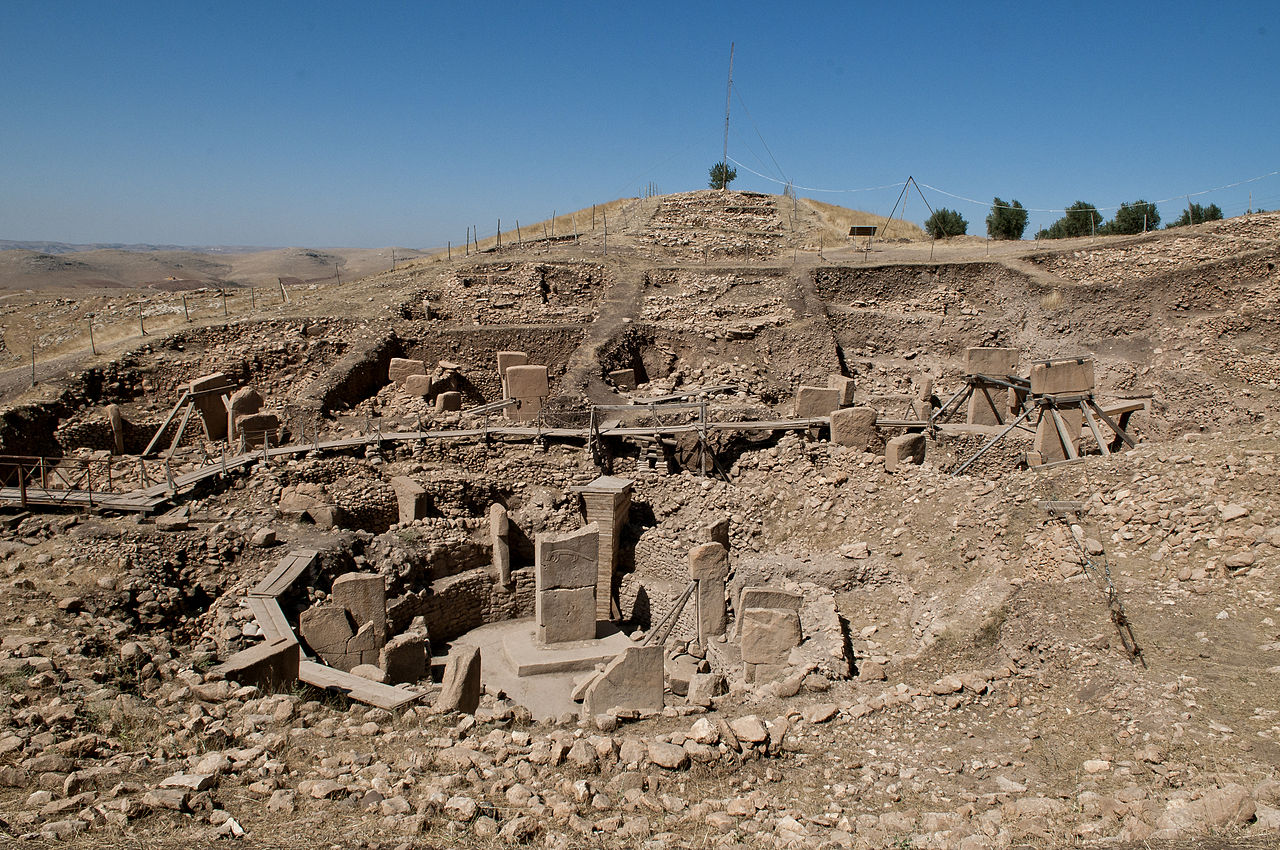
The architectural and artistic complexity of Göbekli Tepe, where enormous stone pillars form circular structures, suggests technical and organizational skills unexpected for its time. At the same time, the Sumerian civilization, which flourished more than 6,000 years ago, left behind an impressive cultural and technological legacy, captured in stone tablets.
These tablets, painstakingly translated by researcher Zecharia Sitchin for 25 years, tell fascinating stories about the Anunnak, beings who supposedly modified human DNA. Although this interpretation has sparked debate, it suggests an advanced understanding of genetics and raises questions about the true capabilities of these ancient civilizations.
Together, the evidence from Göbekli Tepe and the Sumerian narratives offer an intriguing lens through which to reconsider the technological and cultural capabilities of our ancestors, challenging our perceptions of the origin and development of humanity.
To delve deeper into the origins of humanity and its evolution
For those interested in unraveling the mysteries of humanity’s origins, it is essential to access information that goes beyond conventional theories.
If this intriguing topic awakens in you an insatiable curiosity, my book “The Chosen Ones” offers a profound perspective, providing detailed and well-documented answers.
In its pages, you will discover a comprehensive approach that challenges traditional paradigms and offers new interpretations backed by evidence. Browsing these sources will not only enrich your understanding but will also invite you to question and reflect on our true roots.