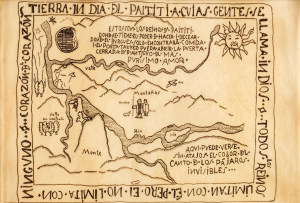

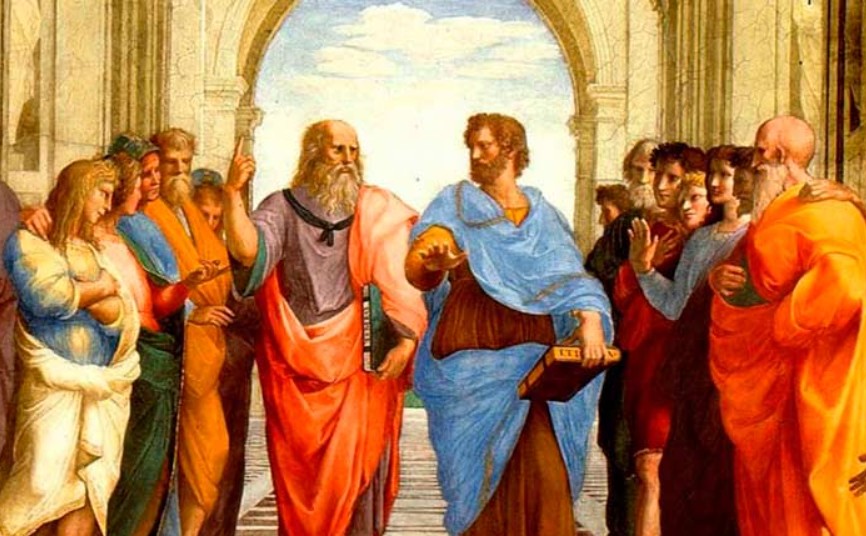

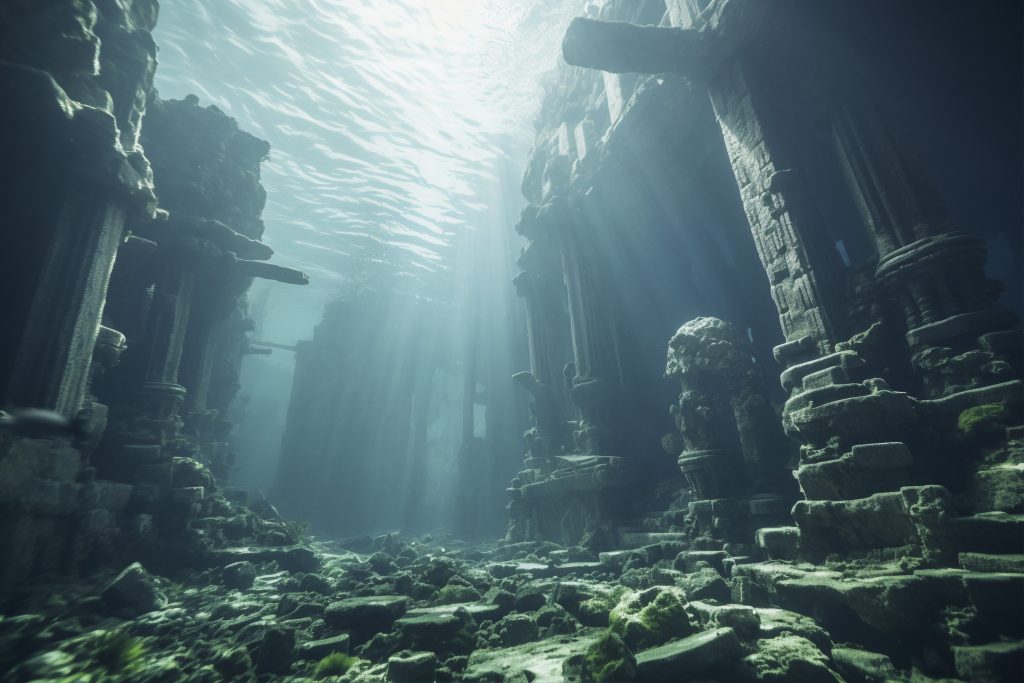
The story of Atlantis has come down to us through Plato’s dialogues: an advanced, powerful, and mysterious civilization that supposedly disappeared in a single day and night. For centuries, the collective imagination placed it as a submerged island somewhere in the Atlantic.
But…
What if Atlantis never sank into the sea?
What if, instead of sinking beneath the waves, it simply remained buried under the desert sand?
In this article, we explore a recent hypothesis (little known to many) that suggests the vestiges of that lost civilization could be in one of the most inhospitable places on the planet: the Sahara.
The enigma of the “Eye of the Sahara”
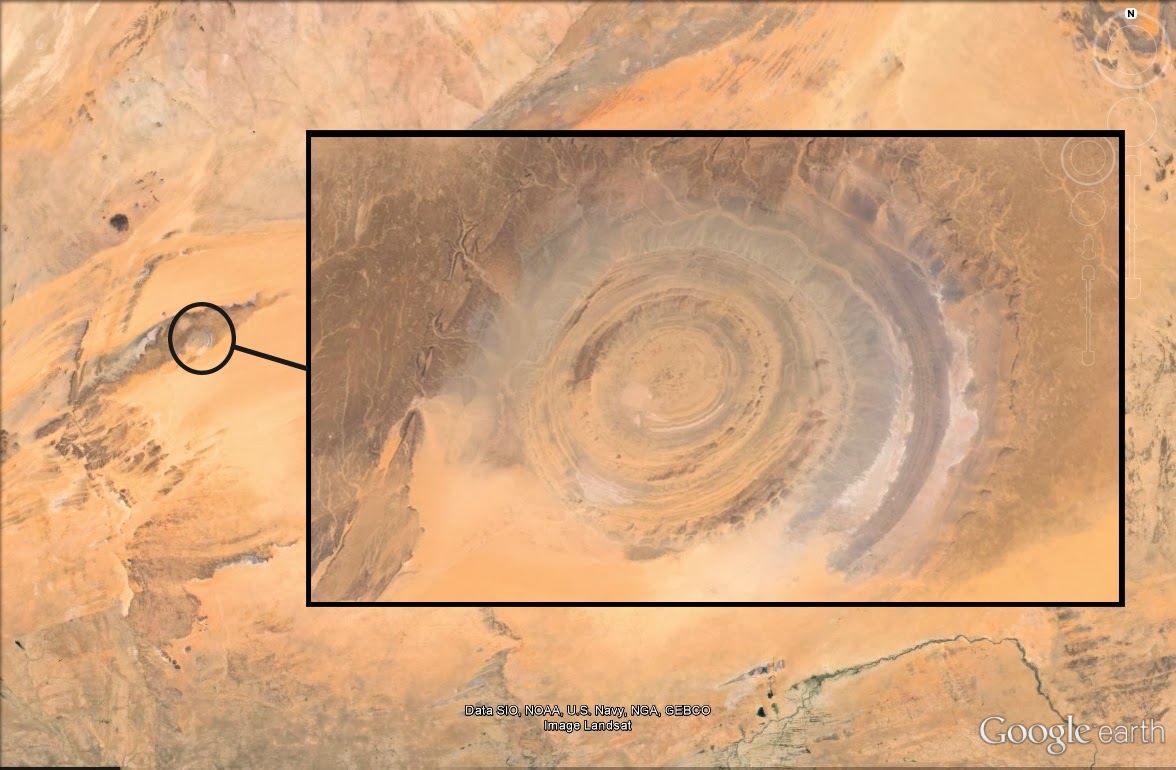
In Mauritania, in the heart of Western Sahara, there is a geological formation visible from space: the Richat Structure, also known as the Eye of the Sahara.
It is a concentric structure approximately 40 kilometers in diameter, formed by circular rings of rock and earth.
This peculiar shape has sparked the imagination of many independent researchers. Some directly compare Richat’s rings to Plato’s description of the capital of Atlantis: a city organized in concentric circles of land and water surrounding a center.
Geological coincidence or trace of a lost city? The idea is captivating.
The Green Sahara: when the desert was a paradise
A study published in 2021 provides another striking fact: the period known as the Green Sahara, when this region was fertile and covered with lakes, rivers, and vegetation, roughly coincides with the era attributed to Atlantis according to Plato’s texts.
If this were the case, the Sahara would have been a perfectly habitable environment for a complex civilization.
And if that civilization disappeared, the advance of desertification (the loss of water, erosion, and brutal climate changes) could have erased almost any visible trace of human settlements, leaving only natural structures and vestiges that are difficult to interpret.
Possible locations of Atlantis: The 9 most popular theories
Over the centuries, researchers, historians, alternative archaeologists, and modern explorers have proposed dozens of different locations. These are the best known and most debated:
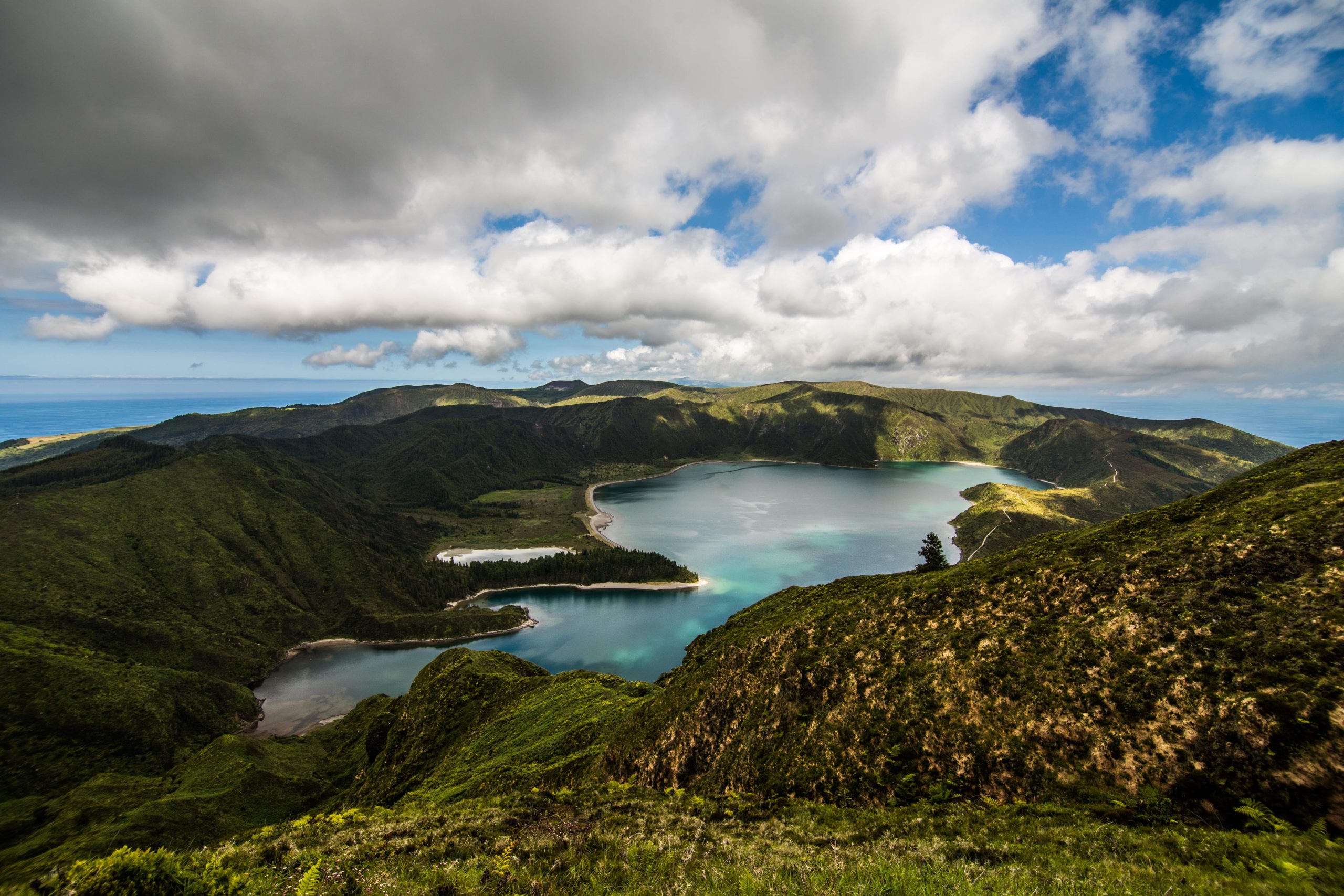
1. Mid-Atlantic (Azores)
👉 Proposed by: Ignatius Donnelly and classical authors
📌 Location: Between Europe and America, Azores area
🧠 Basic idea: It coincides with Plato’s description of an island located “beyond the Pillars of Hercules”.
📎 Problem: There is no geological evidence of any continent or large sunken landmass in that region.
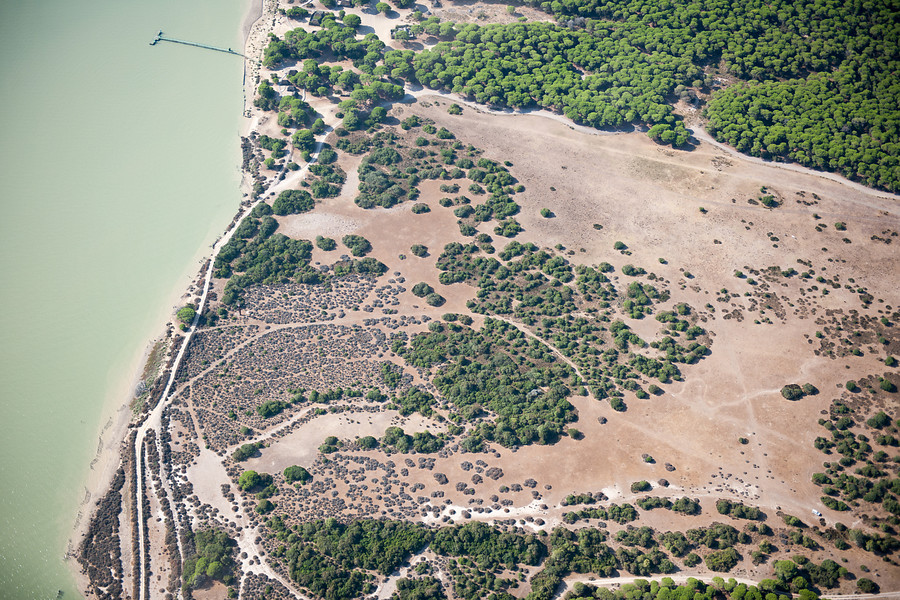
2. Southern Spain (Doñana – Huelva – Cádiz)
👉 Key Researchers: Richard Freund, Georgeos Díaz-Montexano
📌 Location: Doñana National Park and Huelva Marshes
🧠 Basic Idea: Concentric patterns visible by satellite, seismic activity, and historical flooding.
📎 Evidence: Submerged archaeological remains and megalithic structures linked to Tartessos, but nothing conclusive about Atlantis.
3. Sahara Desert (Mauritania – Richat Structure)
👉 Popularized by: Jimmy Corsetti, Bright Insight
📌 Location: Eye of the Sahara, Mauritania
🧠 Core idea: It strikingly matches the measurements and shape described by Plato; it is also linked to the Green Sahara.
📎 Problem: There is no archaeological evidence. The formation is identified as a natural geological structure.
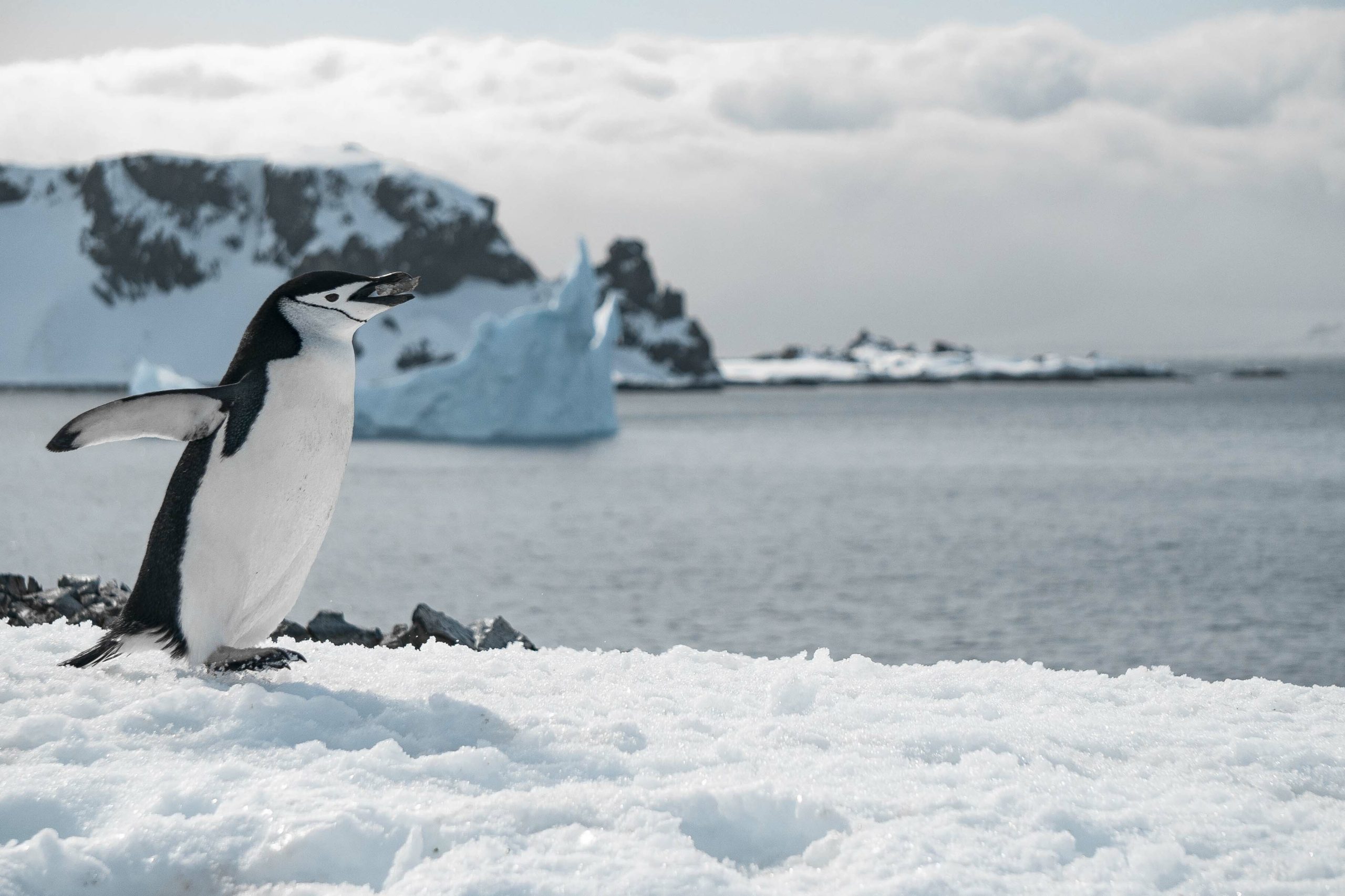
4. Antarctica
👉 Proposed by: Charles Hapgood; partially seconded by Graham Hancock
📌 Location: Under the ice of West Antarctica
🧠 Basic idea: Crustal displacement theory: Antarctica would have been in a temperate climate 12,000 years ago.
📎 Problem: Discredited theory. There are no human remains on the continent.
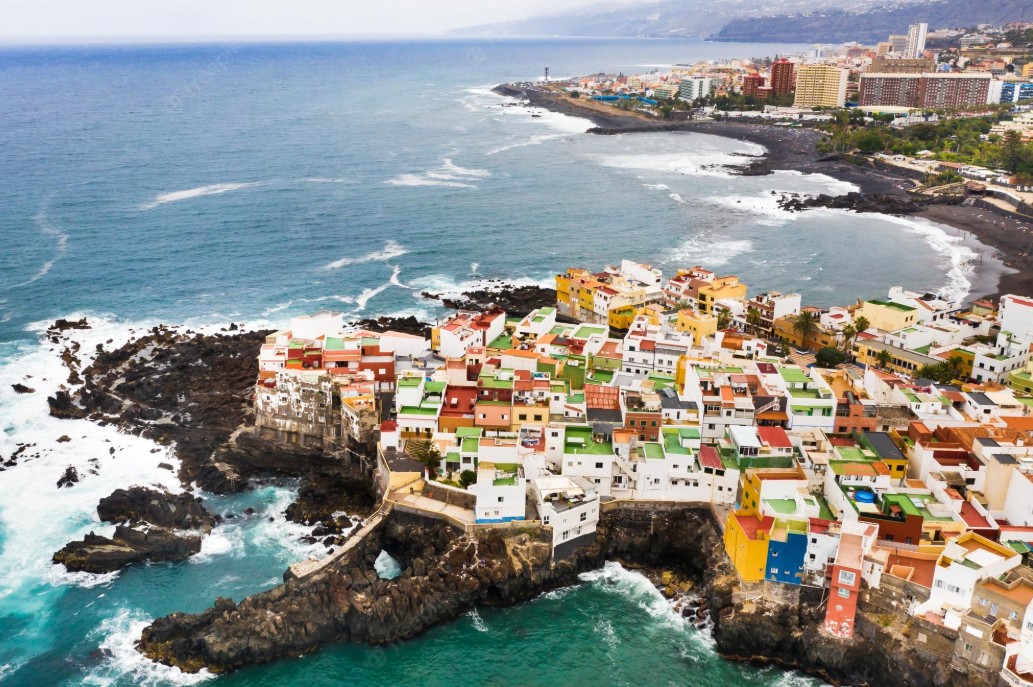
5. Canary Islands
👉 Proposed by: Local researchers
📌 Location: Atlantic archipelagos
🧠 Basic idea: Relationship with the Guanches and ancient traditions. Geography consistent with the narrative of a destroyed island.
📎 Problem: There is no evidence of a civilization comparable to that described by Plato.
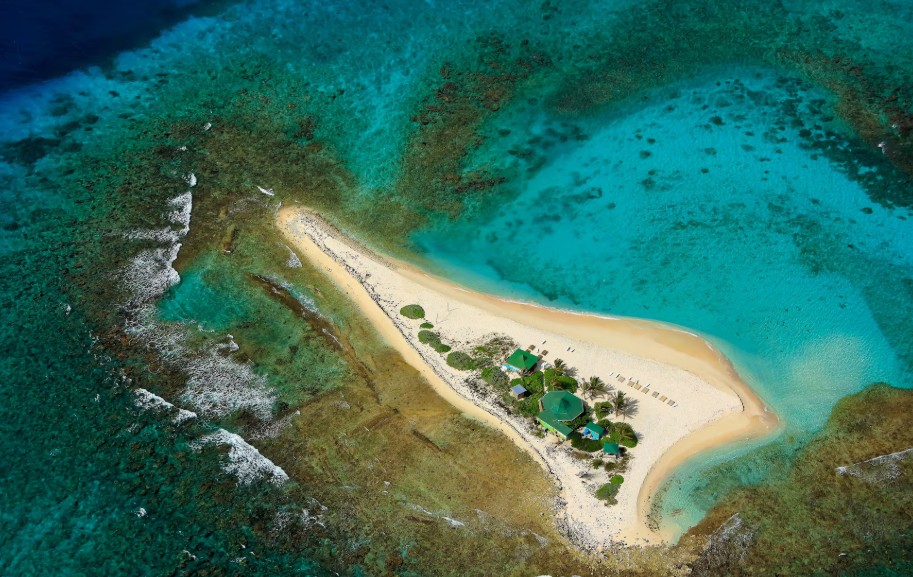
6. Caribbean – Bahamas
👉 Proposed by: Edgar Cayce, alternative archaeologists
📌 Location: Bimini Platform, Bahamas
🧠 Basic idea: The so-called “Bimini Road,” submerged stone blocks that some believe to be artificial.
📎 Doubtful evidence: They could be natural formations. No conclusive human artifacts.
7. Bolivia or Brazil
👉 Researchers: Jim Allen (Altiplano), Arysio Santos (Brazil)
📌 Location: Salar de Uyuni or Amazonian areas
🧠 Basic Idea: Similarities with rings, channels, and climatic descriptions.
📎 Controversy: Geography and distance do not align with Plato.
8. Greece (Santorini – Thera)
👉 Supported by: Academic historians
📌 Location: Aegean Sea, Greece
🧠Basic idea: The eruption of Thera (1600 BC) destroyed the Minoan civilization.
📎 Problem: Santorini is within the Pillars of Hercules, but Plato places Atlantis beyond them.
9. Indonesia (Sundaland)
👉 Proposed by: Arysio Santos and others
📌 Location: Indonesian continental shelf
🧠 Basic idea: An advanced civilization lost due to rising sea levels after the last ice age.
📎 Problem: It doesn’t fit Plato’s geographical framework.
But… what does science say?
Here’s the key point:
most serious archaeologists and researchers consider Atlantis to be a philosophical myth, a narrative device used by Plato to convey moral and political ideas, not a literal historical record.
- No confirmed archaeological remains have been found.
- There are no artificial structures, artifacts, or reliable dates that indicate the presence of an advanced city.
- According to modern geology, everything points to a natural process, possibly the result of erosion and a high geological dome.
In short: it’s a fascinating hypothesis… but highly speculative.
@margaritaarnalmoscardo LA ATLANTIDA PERDIDAmargaritaarnal #numerologia #meditacion #atlantida atlantes #eDGARCAYCE Medium #civilizacionatlante
♬ sonido original - Margarita Arnal Moscardo2 - Margarita Arnal Moscardo2
When you look at the Eye of the Sahara from a satellite, the question is inevitable:
Are you seeing a simple geological formation… or the crater of a world buried by time?
Perhaps it is not submerged palaces or sunken ships beneath the ocean, but the echo of something that existed, vibrated and disappeared thousands of years ago.
A world that may never have been underwater, but beneath the dunes.
The Sahara–Atlantis hypothesis has grown popular in recent years, especially in media and among popularizers who explore ancient civilizations, climate change and archaeological mysteries.
However:
There is no conclusive scientific evidence supporting the existence of a civilization like the one described by Plato.
There is no academic consensus on any real location for Atlantis.
The Eye of the Sahara remains, to this day, a natural phenomenon, not a prehistoric buried city.
Still, the hypothesis continues to generate debate, curiosity and inspiration.
And precisely there lies its strength: in inviting us to question, imagine and look beyond the obvious.
What do you think?
Do you believe Atlantis existed?
Do you find it plausible that its remains are buried in the Sahara?