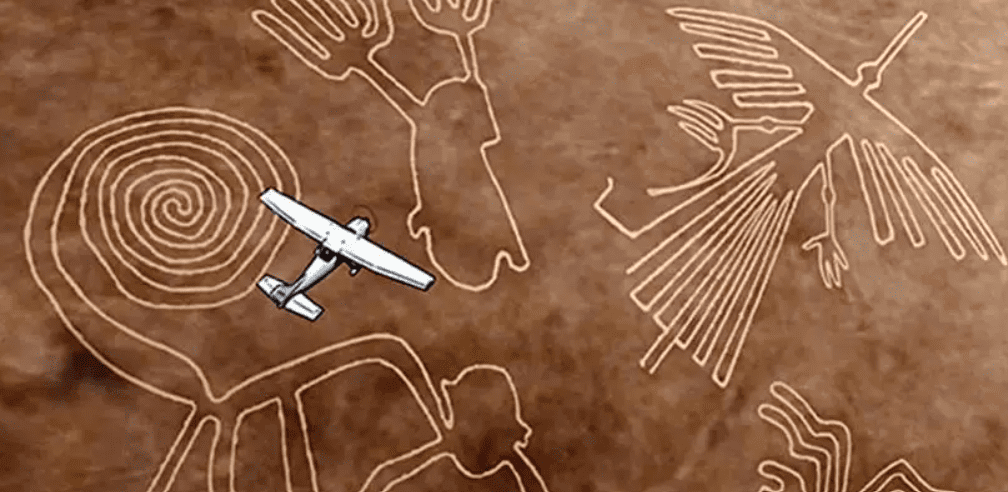
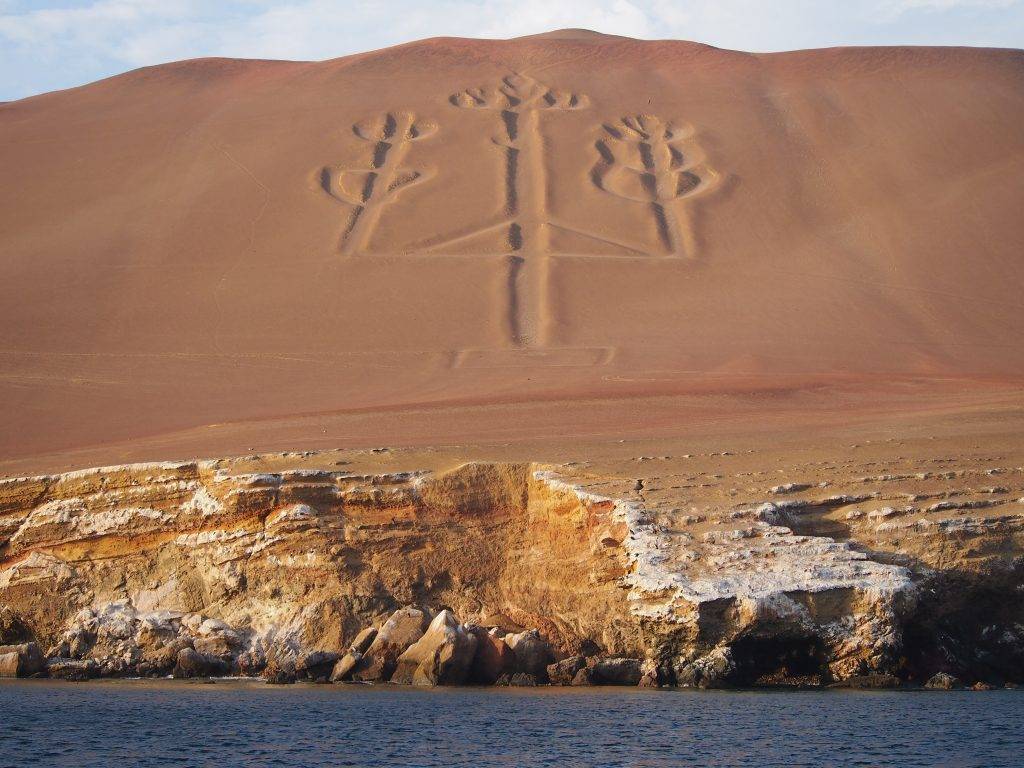
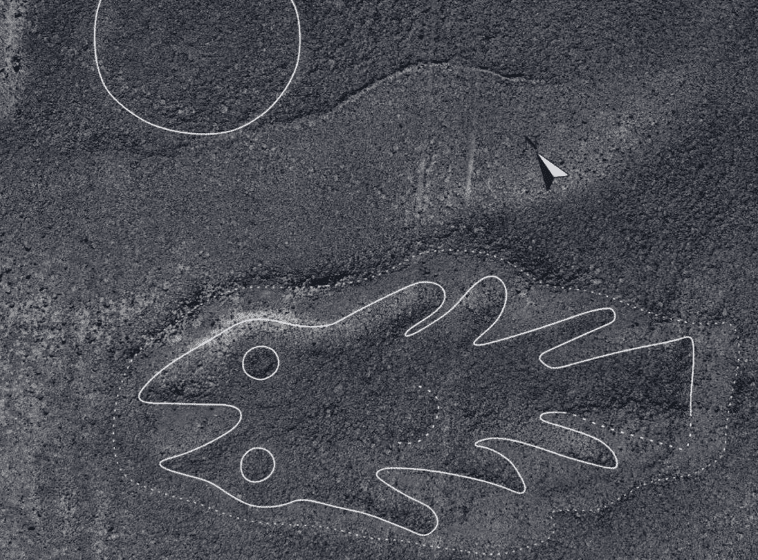
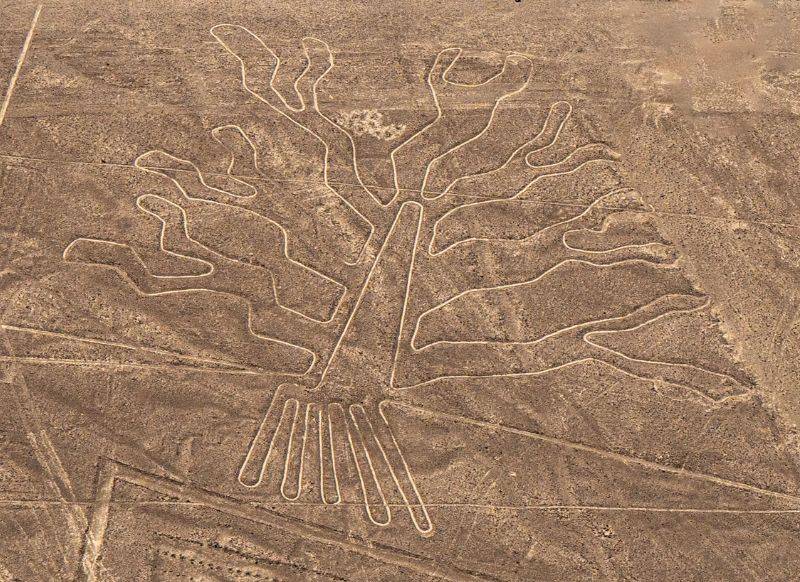

The Nazca Lines are one of the world’s greatest archaeological enigmas and are located in southern Peru, between the Palpa and Nazca valleys, in the Ica region. These impressive Nazca geoglyphs cover an area that varies, depending on the source, between 520 km² and 800 km².
More than 300 Nazca figures have been counted, which include straight lines, geometric designs, animal shapes, plants, and human figures. The surprising thing is that they can only be fully appreciated from the air, which increases the mystery of how and why they were created.
What do the Nazca lines represent?
The Nazca Lines include more than 800 figures drawn on the Peruvian desert. Some straight lines measure up to 64 kilometers, crossing the Ocucaje Desert to the Rio Grande. The precision of these lines is astonishing: a 12 km straight line has a deviation of just 2 cm every 100 meters, which demonstrates an extraordinary level of engineering and planning.
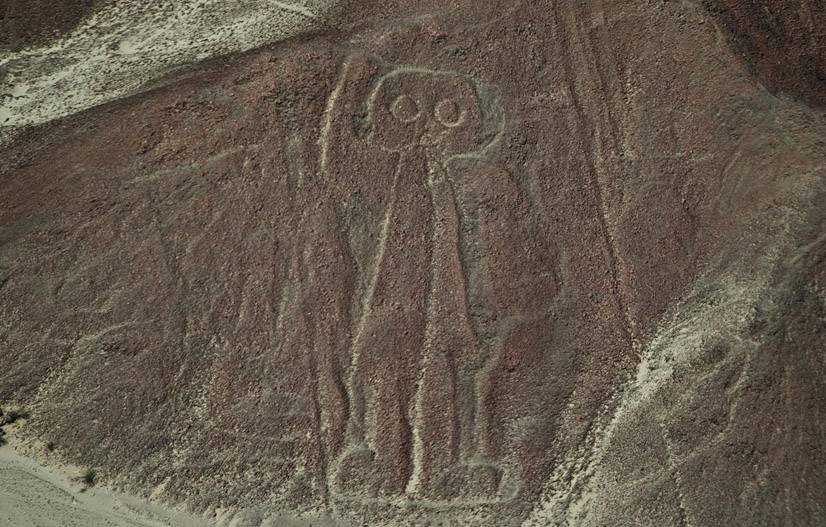
Among the most famous designs of the Nazca figures are the monkey, the hummingbird, the spider, the condor and the mysterious astronaut. Thanks to modern technology, researchers have discovered that many of these figures are aligned with astronomical phenomena, such as the Milky Way, the Orion constellation and the Pleiades, which reinforces the theory that the lines served as an astronomical calendar to predict rain and agricultural seasons.
The importance of the Nazca lines
The Nazca Lines are not just giant drawings: they are a unique testament to the engineering, astronomy, and worldview of a culture that dominated one of the driest deserts on the planet.
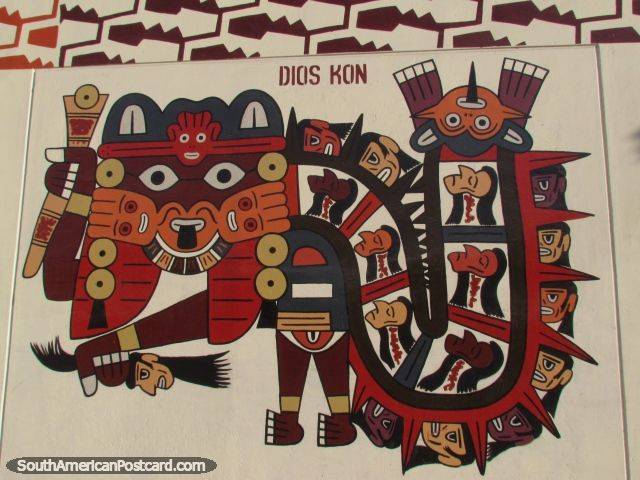
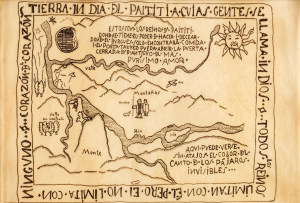
It is believed that these lines were related to fertility rituals, the cult of water, and the veneration of the god Kon, the supreme deity of water and creator of the world according to local mythology.
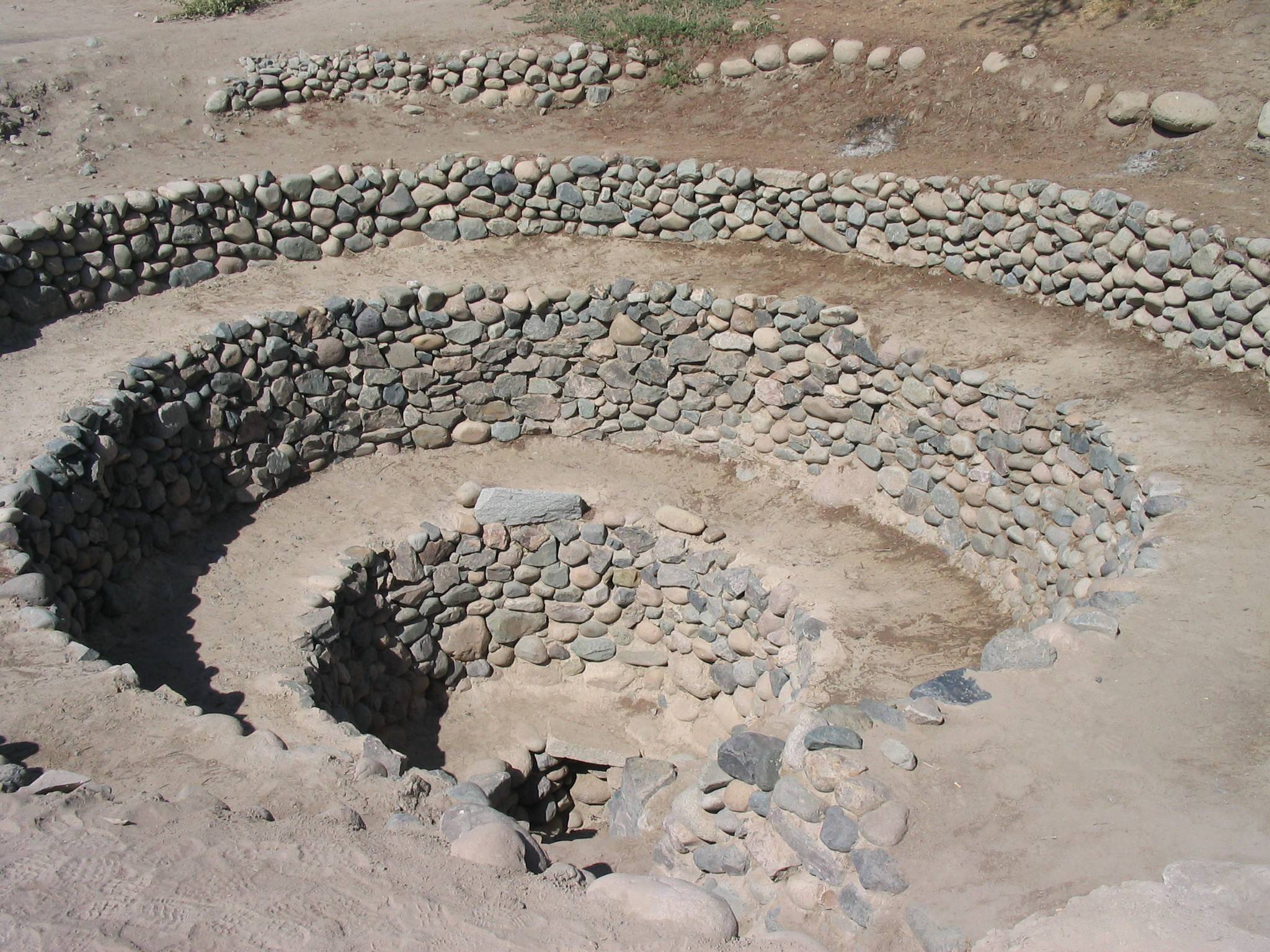
Furthermore, the Nazca culture developed a sophisticated underground hydraulic system.
They used aqueducts and tunnels to capture water from the subsoil, which allowed them to survive and farm in an extreme environment. This hydraulic knowledge remains worthy of study today.
Some researchers such as María Reiche Neumann argue that the Nazca Lines could have correlations with other sacred sites in the world. It is mentioned that the orientation of some lines coincides with the alignment of Orion more than 11,000 years ago, which would link Nazca with ancient networks of global knowledge along with places such as Göbekli Tepe (Turkey), Homolovi (Arizona), Kerala (India) or Knossos (Crete).
Universal figures such as the trident, the eight-pointed star points, the snake or the tree of life appear both in Nazca and in other ancient cultures, which fuels the hypothesis of a shared knowledge that was lost over the centuries.
@margaritaarnalmoscardo LINEAS DE NAZCA ,LA VERDAD #reencarnacion #crecimientopersonal #autoayuda #historiaverdadera arqueologia #zen meditacion #espiritualidad tarot #margaritaarnal #ufo #mufon #viajeastral #bioenergia #clarividente #psiquico #misteriosarqueologicos
♬ original sound - Margarita Arnal Moscardo - Margarita Arnal Moscardo
A legacy we must preserve
The Nazca Lines represent a key moment in human history: a time when the sky, the earth, and the water were deeply connected to everyday life.
Today, these geoglyphs remind us of the importance of valuing the past to understand our present and protect the future.
Preserving and disseminating the history of the Nazca Lines is essential to keeping alive the memory of civilizations that knew how to coexist with nature and look to the stars to ensure their survival.