


How does tarot work?
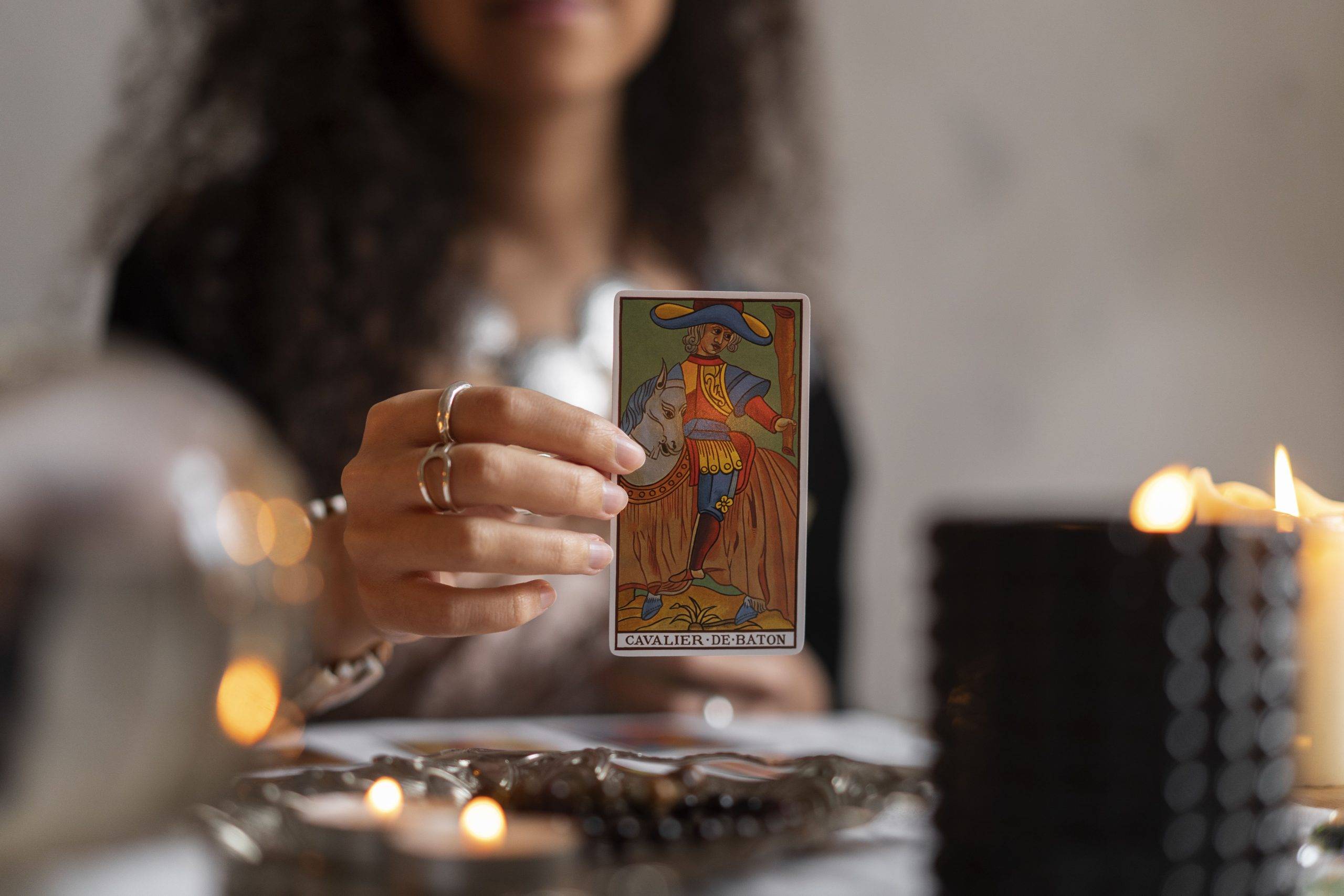
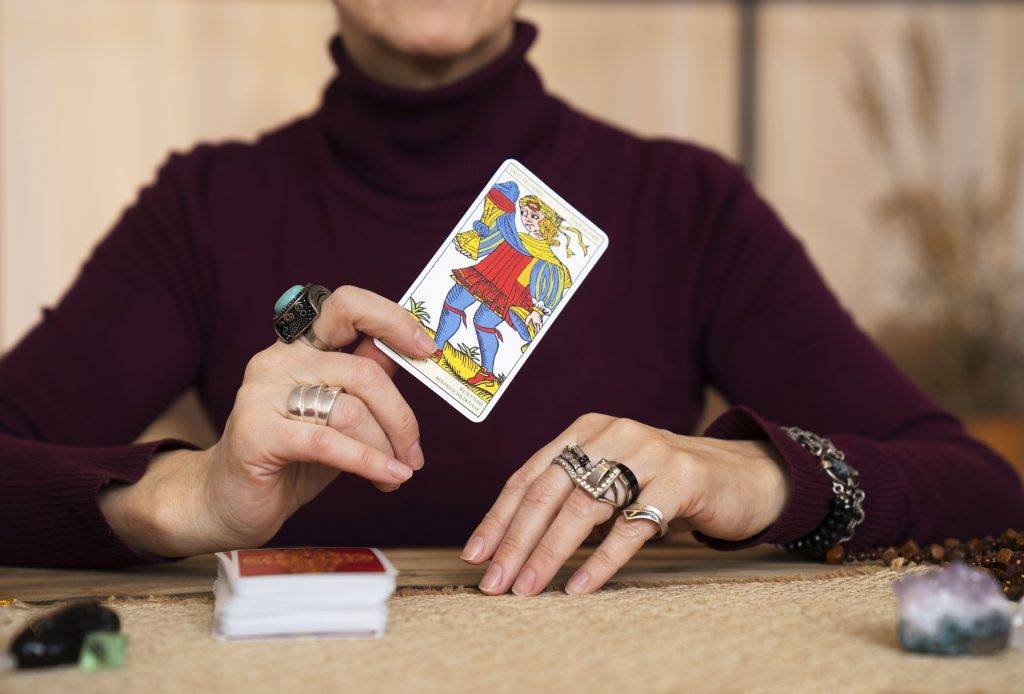
Tarot is a set of symbols that, when observed, stimulate our brain and our intuition. Depending on the fortune teller’s level of spiritual development, the answer can range from a simple intuition to a clear vision of the event being consulted.
What types of tarot are there?
The older a tarot deck is, the more faithful and profound its symbols are. The main types of tarot are:
egyptian tarot
european tarot
hindu tarot
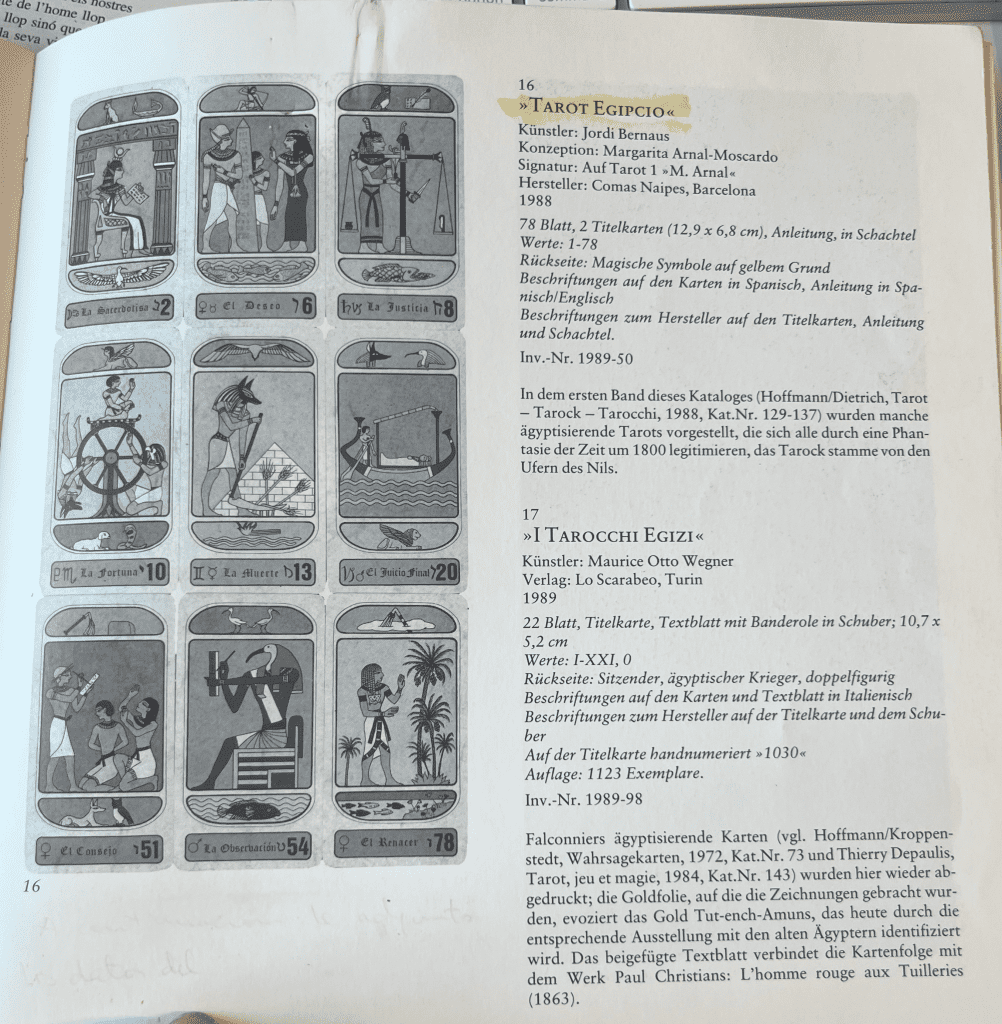
The Egyptian Tarot is one of the oldest and most symbolically rich. Its cards are inspired by the mystical and spiritual wisdom of Ancient Egypt. Each card represents deep esoteric knowledge related to astrology, alchemy, numerology, magic formulas, and connections to past lives. It is a highly valued tarot for exploring karma and the evolution of the soul. It is believed that all other cards originate from it.
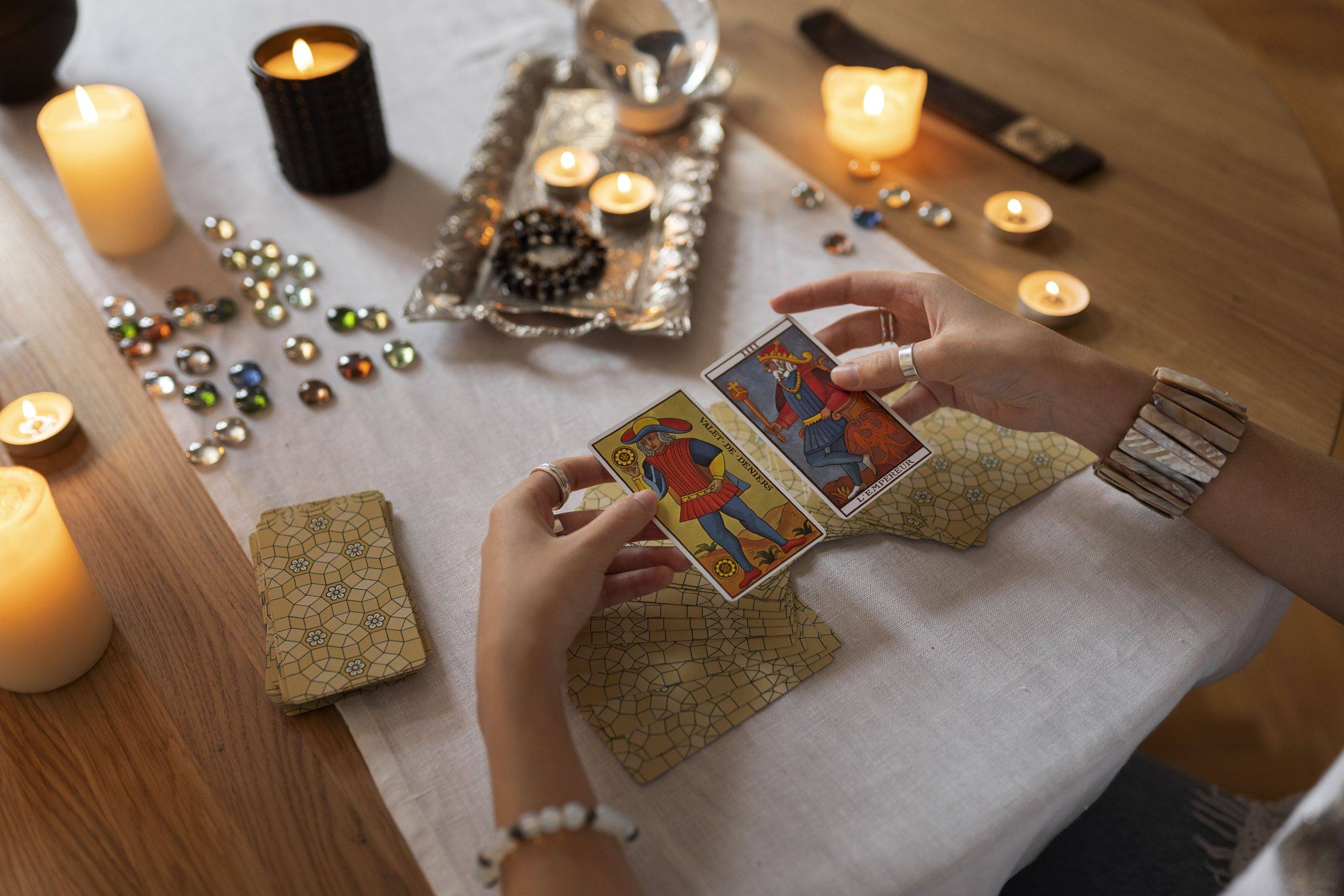
The European Tarot is the best known in the West, with classic variants such as the Tarot of Marseille, the Rider-Waite Tarot or the Tarot of Madame Lenormand, the latter incorporating the constellations into its divinatory system with great success. Its major and minor arcana combine ancestral symbols connected with the Egyptian Tarot, numerology, astrology, Kabbalah, magic, Hebrew letters and alchemical knowledge. It is ideal for answering questions about everyday life, making practical decisions, and understanding the influence of external and internal factors on the past, present, and future.
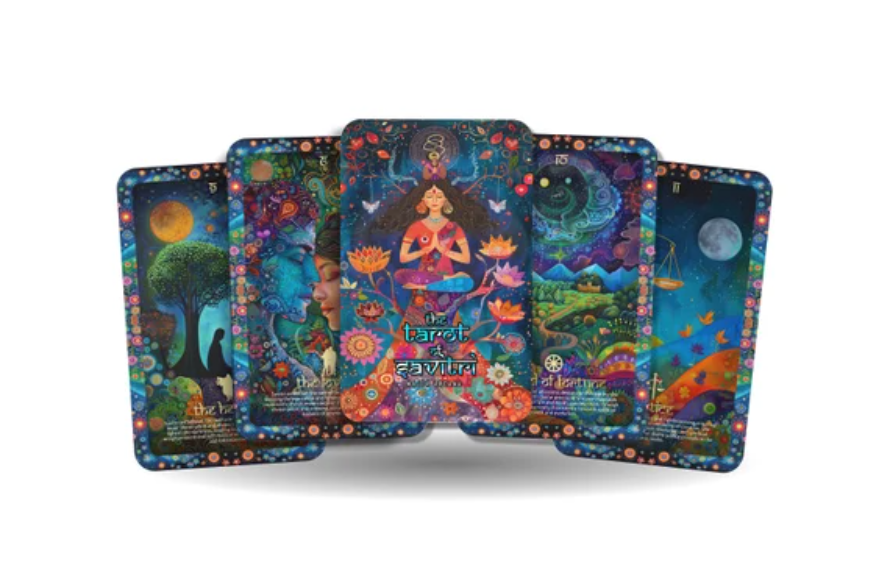
Hindu Tarot is based on Eastern philosophy and a karmic vision of life. Unlike other systems, it focuses on reading the past and present, considering the future to be merely a consequence of these two planes. Its spiritual approach helps one understand the cycle of cause and effect and consciously work to transform destiny through action and self-knowledge.
Beginning in the 18th century, numerous modern tarot decks emerged, created by authors who added their own symbolism. The oldest tarot decks, on the other hand, preserve the wisdom of hermetic disciplines such as astrology, magic, Kabbalah, numerology, and alchemy. Each card, even its name, is in itself a synthesis of knowledge.
What can tarot predict?
The Hindu Tarot focuses on predicting the past and present, considering that the future is constructed from these two planes. Other tarot cards can predict the past, present, and a probable future.
We talk about the probable future because there is always the possibility of changing the course, although this requires awareness and action on the part of the reader. A good fortune teller can point out alternatives to improve that future, but not everyone has this skill.
The European Tarot, like the Egyptian Tarot, can predict everything, and it will depend on the precision of the question and the skill of the fortune teller.
How many tarot readings are there?
There are traditional methods like the seven-card horseshoe spread and hundreds of variations. Each fortune teller can adapt and create their own spreads, as long as they maintain the logic of analyzing the past, present, and future. Even a single card can answer simple questions like “How will my day go?”, although the more specific the question, the more accurate the answer.
What questions can be asked in the tarot?
You can ask absolutely anything, because the tarot covers all of humanity’s symbolic knowledge. Although some people believe that one should not ask about death, medieval treatises describe how certain card combinations can announce profound transformations, even physical or spiritual ones.
What are the best questions for tarot?
There are no better or worse questions to ask the tarot. The important thing to understand is that the quality of the answer depends directly on how the question is phrased. A clear, concrete, and well-focused question allows for a more precise and detailed interpretation. Therefore, it is advisable to avoid questions that are too general or ambiguous, as they often generate confusing or unhelpful answers.
Furthermore, it is advisable to address one topic per question, so as not to mix up situations and to be able to delve deeper into each aspect of life: love, work, family, important decisions, personal evolution, etc. Asking specific questions does not limit the reading, but rather opens the door to more complete, practical and applicable answers to the reality of the consultant.
What can tarot say about love?
A love tarot reading can reveal a wealth of valuable information. It can not only describe the other person’s personality, but also show how they perceive you, what they truly think of you, what their deepest feelings are, their intentions, and what actions they are likely to take in the near future.
Furthermore, tarot can shed light on the future of the relationship: whether it has a stable future, if there are major obstacles, or if there are third parties or external factors that could influence it. If the situation is not favorable, a good reading can point out possible ways to change or improve the course, as long as the seeker is willing and takes action.
What can tarot say about work?
Any questions you may have can be explored in a work-related tarot reading. For example, you can find out what your superiors really think of you, how your colleagues perceive you, if there are opportunities for advancement or a pay raise, or if it’s worth changing positions or even career paths.
You can also ask how long you will stay in your current job, what obstacles you might encounter and how to overcome them, or what future opportunities will present themselves and what you should do to take advantage of them.
What can tarot tell us about the future?
Tarot can tell you practically anything, as long as the question is well-focused and clear enough. The more specific the reading, the more precise and useful the answer will be. On the contrary, questions that are too general tend to generate broad or ambiguous answers, which can be more confusing than clarifying.
That’s why it’s recommended to divide readings by topic: love, work, family, important decisions, personal development, etc. This way, you’ll obtain concrete and detailed information for each aspect of your life, avoiding superficial interpretations.
How are tarot cards classified?
In the European tarot, cards are traditionally classified into active, passive, and neutral cards.
Active cards are those that drive action; they represent movements, decisions, or events that push the reader to act or take the initiative.
Passive cards, on the other hand, show situations that are received or experienced: external circumstances, environmental influences, or stages where acceptance and patience are required. Neutral cards mark pauses, moments of reflection or waiting, and warn that it is not yet time to act, but rather to observe.
In addition to this energetic classification, the European Tarot is organized into major and minor arcana. The major arcana are 22 cards loaded with universal symbols and represent great spiritual truths, life lessons, transformation processes, and karmic learning. Each major arcana is a gateway to a deeper level of self-knowledge.
The minor arcana, on the other hand, are made up of 56 cards divided into four suits: wands, swords, cups, and pentacles. These cards address the practical, everyday aspects of life: relationships, work, conflicts, emotions, and material resources. While the major arcana show the “why” of a situation, the minor arcana explain the “how” it manifests in daily life.
The Egyptian Tarot also divides the 22 major arcana as universal truths of an immutable nature that define spiritual evolution and the 56 Minor Arcana that reflect everyday reality in this life and can be modified with evolved decisions by the consultant, changing his Karma in his current life.
What is the most powerful card in the tarot?
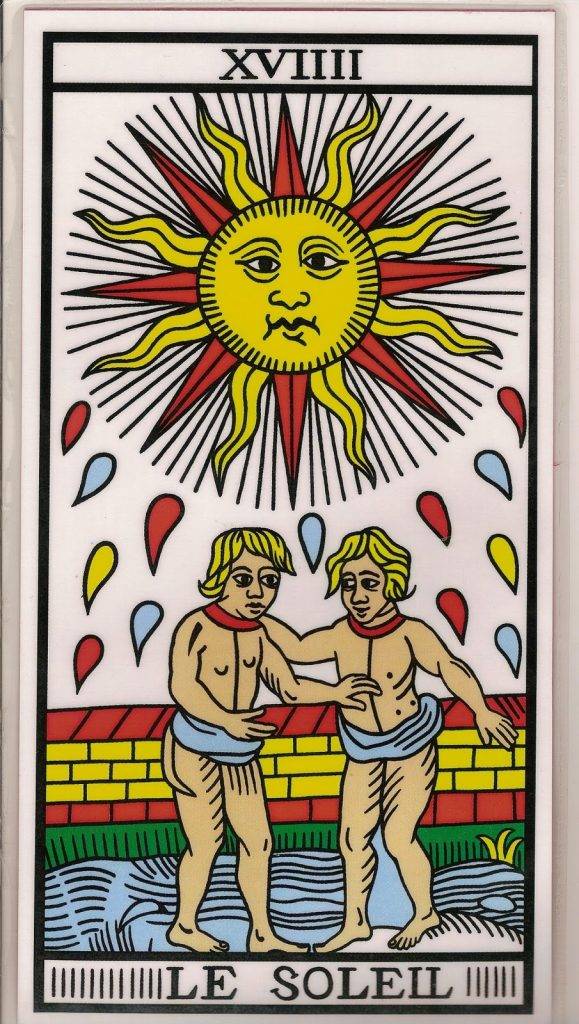
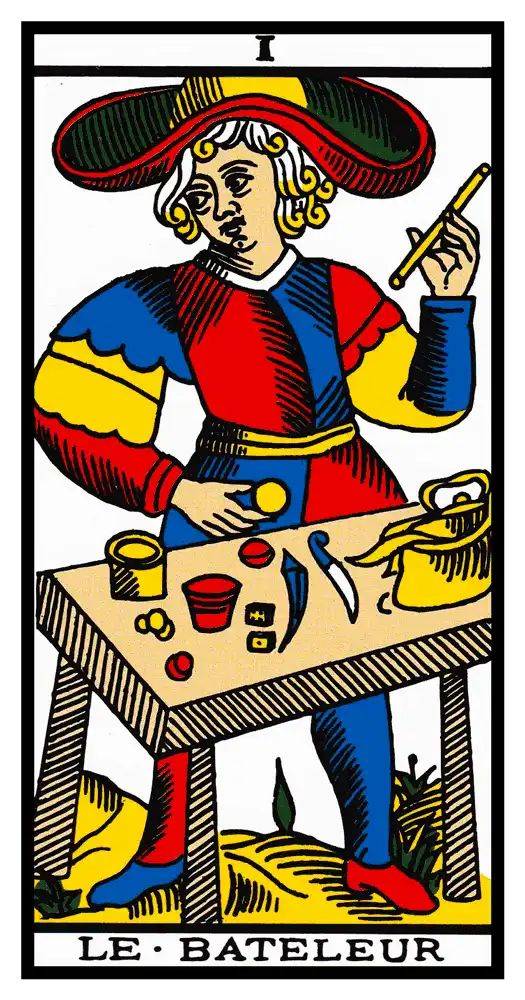
They all have the same power as symbols of reality, but some are considered especially protective, such as The Sun, The Magician, and, among the minor arcana, the Ace of Pentacles.
What should not be asked in the tarot?
In theory, you can ask the tarot absolutely anything, since its symbolism covers all aspects of life: love, work, health, family, spirituality, future, and past. However, it’s important to keep in mind that each answer can open doors to truths that we may not always be ready to hear or accept.
Consulting out of curiosity or simple impulse, without a true inner willingness, can generate more confusion or anxiety than clarity. Therefore, it’s always best to ask only when you are emotionally ready to receive the information with openness and responsibility. The tarot doesn’t impose, but it does show paths that sometimes require courage to follow.
What do tarot cards represent?
According to Egyptian tradition, tarot cards are not just decorative images, but authentic symbolic codices that reveal the origin, path, and destiny of humanity. Each card contains ancestral secrets and profound teachings that, according to this vision, come directly from the wisdom of the god Thoth, guardian of knowledge and sacred writing.
The Egyptian Tarot is considered a key to understanding the karmic wheel, the lessons of past lives, and the challenges of the present existence, inviting the consultant to evolve spiritually and transcend earthly ties.
In the European Tarot, the cards function as a mirror of the reader’s past, present, and future, helping to decipher not only what is happening on a material level, but also the spiritual and emotional learning that each experience entails. This tradition combines symbols from the Middle Ages, Hermeticism, and alchemy, among other esoteric knowledge, to offer practical yet profound answers.
Within this structure, the major arcana represent great universal archetypes, spiritual principles, stages of transformation, and transcendental lessons that mark milestones in personal evolution. Each major arcana is a symbolic teacher that reveals a truth about the soul’s journey.
On the other hand, the minor arcana, organized into four suits (wands, swords, cups, and coins), symbolize more everyday and concrete aspects of daily life. Traditionally, each suit was associated with a social group: wands with peasants and physical labor; swords with soldiers and conflict; cups with courtiers and emotional life; and coins with nobility and material wealth.
Which arcane corresponds to each zodiac sign?
In the European Tarot, each suit of the deck is symbolically linked to one of the four elements of nature, which reinforces its connection with the fundamental energies that govern life:
There is an esoteric meaning for the uninitiated, that is, those who do not have a deep knowledge of the symbolism. This meaning is very valid for meditating through the Tarot, but it represents many inaccuracies if applied to the divinatory system to which the esoteric system corresponds.
There are many Tarot books that accept the exoteric meaning as valid, creating great confusion for the Tarot apprentice.
This is the exoteric meaning.
- Wands: represent fire, associated with action, passion, creativity, and willpower. These cards speak of projects, initiatives, and motivation to move forward.
- Swords: are related to air, a symbol of the mind, thought, ideas, and conflicts. Swords address decisions, disputes, intellectual challenges, and communication processes.
- Cups: are associated with water, the element of emotions, intuition, love, and emotional relationships. Cups explore love life, empathy, and the bonds that unite us with others.
- Coins: correspond to earth, linked to matter, stability, money, and material resources. They talk about work, finances, security, and tangible achievements.
Esoteric Meaning
- Wands: represents Fire, it is the action of duty and instinct.
- Swords: represents Earth, they are the soldier’s defense, conflicts, the law.
- Cups: represents joy, a carefree life, parties, drinks, food, love, relationships, etc.
- Coins: corresponds to air, it is the intelligence to get rich, manage influences, get the most out of it.
Within each suit, the court figures—page, queen, and king—are linked to specific zodiac signs and help identify personality types, attitudes, or even real people who may influence the situation in question.
For example, within the suit of wands, it relates to Sagittarius, Aries, or Leo; swords feature air signs such as Gemini, Libra, and Aquarius; cups correspond to water signs such as Cancer, Scorpio, and Pisces; and the coins are associated with earth signs such as Taurus, Virgo, and Capricorn.
In the esoteric system, while in the esoteric the Earth signs correspond to the swords and the Air signs to the suit of Coins.
It should be clarified that the knights determine the element and on a divinatory – esoteric – level they show an idea but not a fact or action, as in the -Spanish deck-
Furthermore, the major arcana are deeply connected to astrology, as each one relates to a specific zodiac sign, planet, or astrological combination. For example, The Chariot is associated with Cancer, on an exoteric level, while on an esoteric level it is the planet MARS. Strength is associated with Leo on an exoteric level, which is what is seen but in reality on an esoteric level it is VIRGO; and The Emperor is associated with Aries on an exoteric level, but in reality, to divine the esoteric meaning, it very clearly says that it is actually LEO. These correspondences reinforce the esoteric dimension of the tarot and its connection to cosmic cycles.
What kind of message do the letters convey?
The message conveyed by the tarot depends, above all, on the question asked and the energy surrounding the reader at that moment.
The major arcana are often used to interpret deeper issues: they reveal spiritual learning, life lessons, transformation processes, and key stages in one’s personal or karmic path. These cards speak of universal truths, important changes, and life-changing decisions. However, their meaning is sometimes so general that it leads to different interpretations, and once again, the skill of the fortune teller is essential for an accurate reading.
For their part, the minor arcana provide practical details and describe everyday situations: relationships, work, finances, daily conflicts, and moods. However, both types of cards—major and minor—can be combined to offer not only practical answers, but also spiritual guidance, advice on how to act, and reflections that help the client better understand their present and their evolution.
A good reading is done with all the cards. Some people don’t empathize with the minor arcana and only use the major ones, but that’s equivalent to reading a manuscript without the vowels. The minor arcana are just as important as the major arcana, especially if we want answers about our current life.
Is it good or bad to have your cards read?
Tarot, in essence, is neither good nor bad: it is a neutral tool, a symbolic language that reflects the reality and potential of the reader. What matters is how it is used and with what attitude it is received. A reading can be very useful if done with responsibility, respect, and an open mind.
For a reading to be beneficial, it is key to go to a serious, experienced, and ethical professional, who interprets the cards honestly and does not instill fear or dependency. Furthermore, the reader must be willing to listen to what arises in the reading, even if sometimes the answer is not what they expected or touches on aspects that make them uncomfortable.
What is the difference between a positive and a negative reading?
In reality, there are no good or bad readings as such. Tarot doesn’t fabricate happy or tragic news: it simply reflects the energy, circumstances, and possibilities surrounding the reader at that moment. What can be expected are outcomes that are easier or harder to accept.
A reading that shows a clear path, opportunities, or simple solutions is often felt as “positive.” Conversely, a reading that warns of obstacles, blockages, or the need to face uncomfortable truths can be experienced as “negative.” However, both are equally valuable because they show reality and offer clues as to how to act.
How effective is virtual tarot?
The effectiveness of a tarot reading does not depend on physical distance, but on the real connection between the client and the psychic. A good professional can interpret the cards with the same precision in person as from a distance, through a phone call or video call, because energy and intuition know no geographical barriers.
What has no real value is the “virtual tarot” based on automatic algorithms, instant readings, or randomly generated answers simply by entering a date of birth or zodiac sign. These systems lack human interpretation, intuition, and energetic connection, essential elements for an authentic reading.
How to ask the tarot about a person?
When you want to ask a question about another person, it’s essential to ask clear, direct, and specific questions to get helpful and accurate answers. For example, instead of a vague question like “What will happen to that person?”, it’s much better to ask:
“What does [name] think of me right now?”
“How does [name] feel about our relationship?”
“What are [name]’s intentions toward me?”
“What are the obstacles in your relationship with [name]?”
These types of questions help the fortune teller focus on specific, in-depth aspects, avoiding ambiguous or superficial answers. It is also important not to ask questions about third parties disrespectfully or with negative intentions, since the tarot reflects energies and situations, and does not allow for the free manipulation of others’ will.
Finally, it is recommended to keep an open mind to the answers and use the information to better understand the dynamics between the people involved, not to generate rigid expectations.
What's true about reversed cards?
The interpretation of reversed cards (when a card appears upside down during a reading) is not part of the original tarot tradition. This practice began to gain popularity in the late 18th and early 19th centuries as a way to add additional nuance to a reading.
In classical tradition, cards did not have distinct meanings depending on their orientation; the message was contained in the card itself and its relative position in the reading. However, many modern fortune tellers use reversed cards to point out blockages, negative energies, delays, or hidden aspects that require special attention.