





Sound healing is one of humanity’s oldest and most fascinating practices. From temples with musical pillars in India to modern music therapy studies, different cultures around the world have discovered that vibrations can influence the mind, body, and emotions.
Today, this discipline is gaining popularity under names such as sound therapy, vibration healing, or sound healing.
Origins of sound healing in ancient times
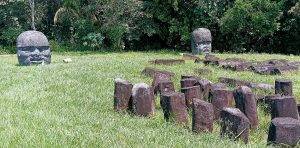
The history of sound healing begins long before modern science existed. From the first megaliths to the sacred temples of India and the Mesoamerican pyramids, different cultures discovered that vibration and resonance could be tools of spiritual connection and, in many cases, healing.
These architectures were not just ritual spaces: they were true giant stone instruments that amplified chants, echoes, and musical notes.
Exploring the origins of sound healing allows us to understand how ancient civilizations integrated acoustics into their religious and healing practices, laying the foundations for what which we now call sound therapy.
Stonehenge (3100 a.C., UK
Newgrange y Maeshowe (Ireland & Scotland)
Hampi, Vijaya Vittala (s. XV–XVI
Airavatesvara, Darasuram (s. XII)
Meenakshi (Madurai) y Nellaiappar (Tirunelveli)
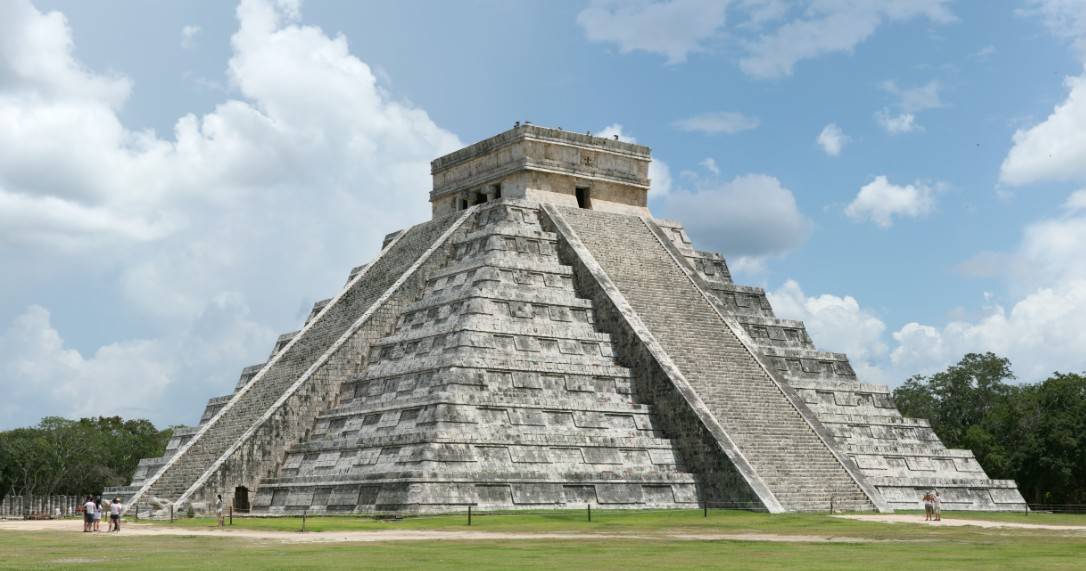
Pirámide de Kukulkán (Chichén Itzá)
All these constructions demonstrate that sound healing and stone vibration have been part of ritual and spiritual experiences for millennia.
The science of sound healing
Modern research confirms (see article) that sound influences the nervous system and emotional state. Among the most studied applications of sound therapy are:
- Music therapy: Improves symptoms of anxiety, depression, and pain.
- Sound baths with Tibetan bowls: Induce relaxation and well-being.
- Vibroacoustic therapy: Uses low-frequency vibrations to relieve pain and stress.
- Binaural beats: Frequencies that can promote concentration, calmness, or sleep.
- Auditory rhythm in neurological rehabilitation: Used in Parkinson’s to improve gait.
Furthermore, conventional medicine uses sound in therapies such as ultrasound or shock waves, demonstrating that vibration can also be a clinical tool.
@margaritaarnalmoscardo LA SANACION POR EL SONIDO-#margaritaarnal #crecimientopersonal #sonido #vibracionespositivas #vibracionessanadoras #sanarconsonido vibraxionsanadora reencarnacion #zen #meditacion #historia #historiaoculta
♬ sonido original - Margarita Arnal Moscardo - Margarita Arnal Moscardo
Among the most cited benefits of sound healing are:
- Reduction of stress and anxiety.
- Improved sleep quality.
- Increased concentration and creativity.
- Relief from chronic pain.
- Mood regulation.
While it is not a substitute for medical treatment, sound healing is a powerful complement to holistic health.
Sound healing unites past and present: From the musical pillars of Hampi to modern music therapy sessions, humankind has sought vibrations as a channel for transformation.
Modern science confirms part of this ancient intuition: sound can relax, soothe, and heal.