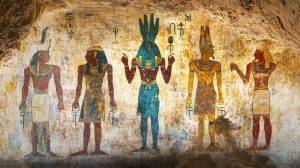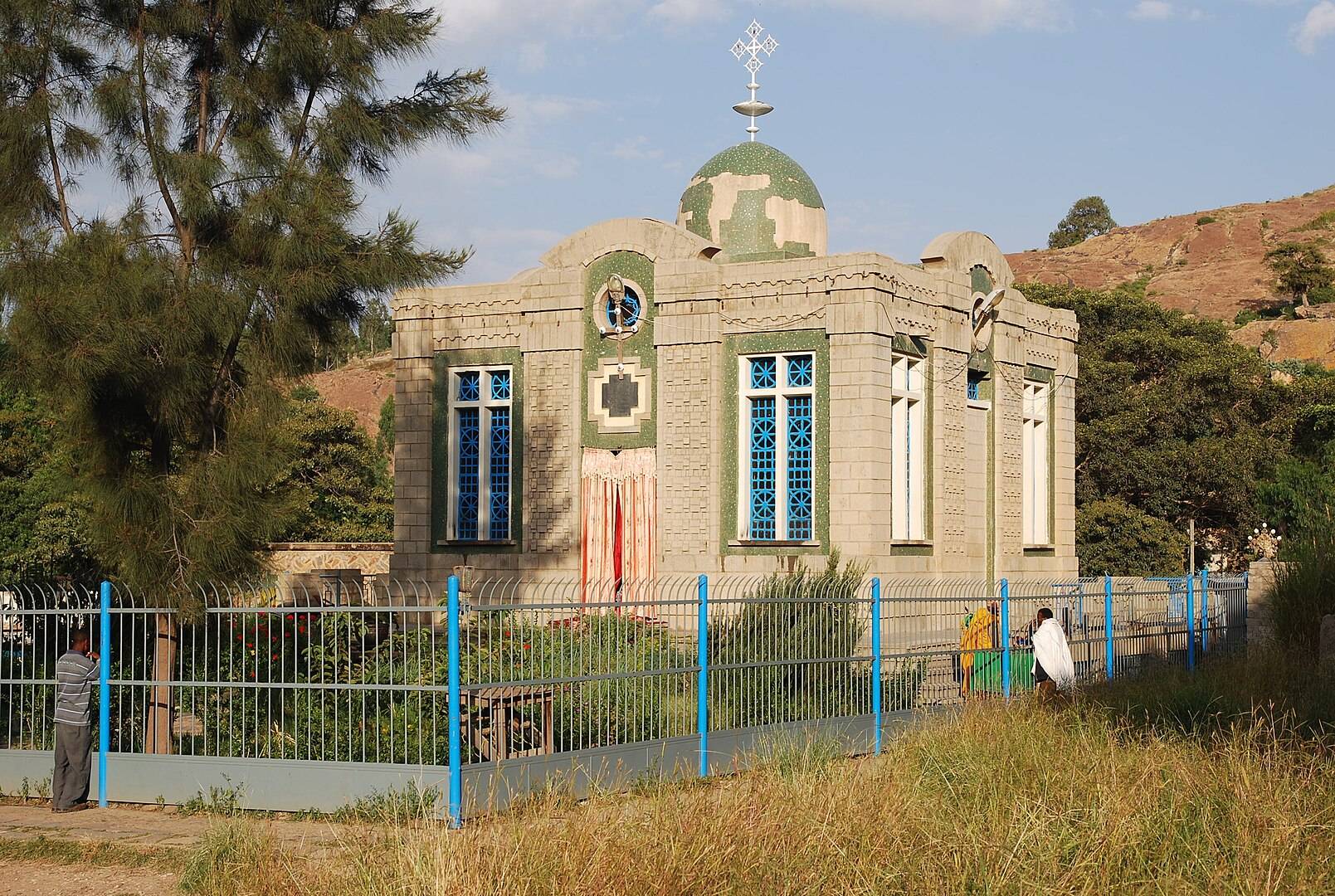
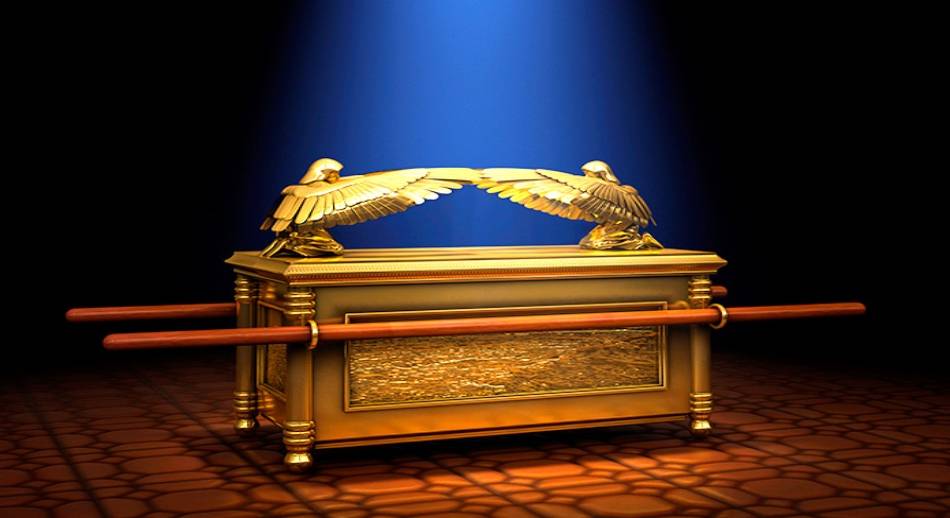

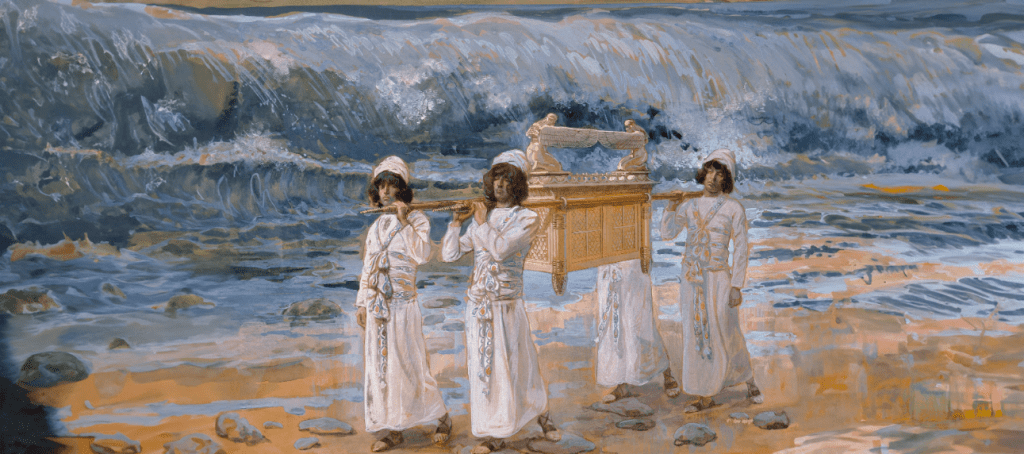
The Ark of the Covenant has been one of the most enigmatic objects in history. Its relationship with King Solomon, the Queen of Sheba, and their son Menelik I opens the door to a fascinating story that blends history, religion, and mystery. According to Ethiopian tradition, the Ark is kept in the city of Axum, in the mythical church of St. Mary of Zion.
But this isn’t the only secret Ethiopia holds. Its landscapes and monuments conceal enigmas that science still cannot explain.
The journey of the Ark of the Covenant to Ethiopia
Tradition tells us that after the meeting between King Solomon and the Queen of Sheba, Menelik I, the first emperor of Ethiopia, was born. In a momentous gesture, Solomon reportedly gave him the Ark of the Covenant to keep safe in his kingdom.
Thus, the Ark was transported to Axum, where the first sub-Saharan Christian church was built: St. Mary of Zion, considered the oldest sanctuary in Africa in this context.
Today, the church has been rebuilt several times over the centuries, but tradition holds that the Ark remains protected within. Only one guardian, designated for life, may gaze upon it.
Tradition holds that no one may approach the Ark of the Covenant without risking their life. Only a pure soul could withstand its presence; otherwise, the person would be disintegrated. This aura of divine power and imminent danger reinforces the sacred and legendary character of the object.
Axum and its obelisks: an architectural enigma
The city of Axum is not only famous for guarding the Ark. Some of the world’s largest obelisks are erected there, reaching heights of nearly 35 meters.
Its construction still raises questions: How did the ancient Ethiopians manage to carve and erect such monoliths with the technology of the time? The mystery is reminiscent of the unfinished obelisk of Aswan in Egypt, which is over 40 meters tall.
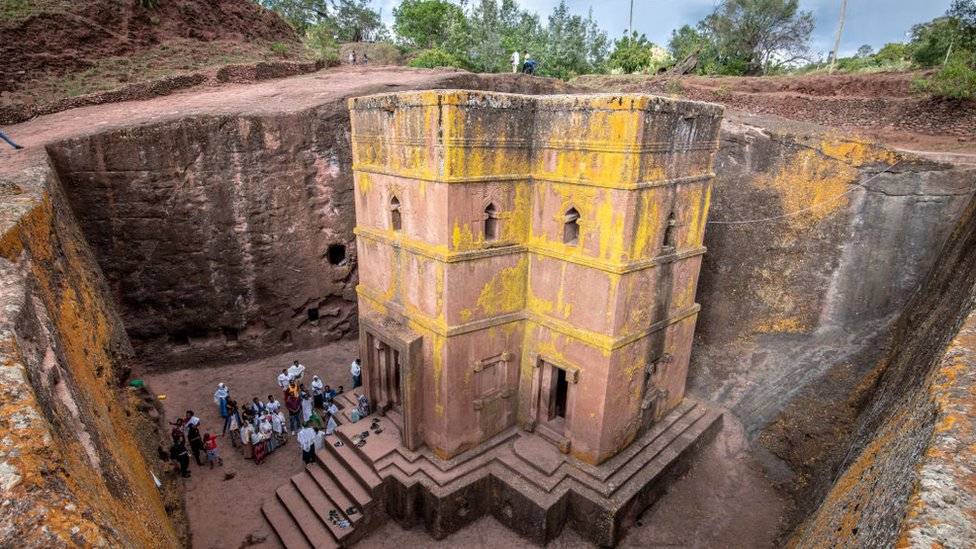
Beyond Axum, Ethiopia holds another fascinating mystery: the monolithic churches of Lalibela. Built between the 13th and 14th centuries, they are eleven temples carved directly into the rock, deep underground.
Among them, the Church of St. George stands out, measuring 13 meters deep, 22 meters wide, and 23 meters long. An entire temple carved and decorated from a single piece of solid rock.
Archaeologists still acknowledge that they don’t know how these works were carried out. The technical difficulties were enormous: the risk of encountering rock that was too hard, the impossibility of using modern tools, and the need for absolute precision in the casting.
Some researchers hypothesize that the Templars participated in the construction of these churches.
Medieval chroniclers mention the presence of bearded men wearing robes and carrying crosses, which would be consistent with the Templars. Furthermore, several of these churches feature symbols related to their order.
The Templars, experts in architecture and construction after their travels to Jerusalem and Egypt, may have contributed their knowledge to the construction of these wonders that continue to amaze the world today.
The combination of elements—the Ark of the Covenant, the Queen of Sheba, King Solomon, Menelik I, the obelisks of Axum, and the excavated churches of Lalibela—makes Ethiopia a unique place in the world.
A country where history, faith, and mystery intertwine, offering questions that still await answers:
Is the Ark really in Axum?
Who helped carve the churches underground?
What role did the Templars play in this legacy?