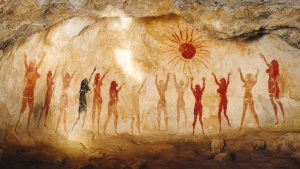
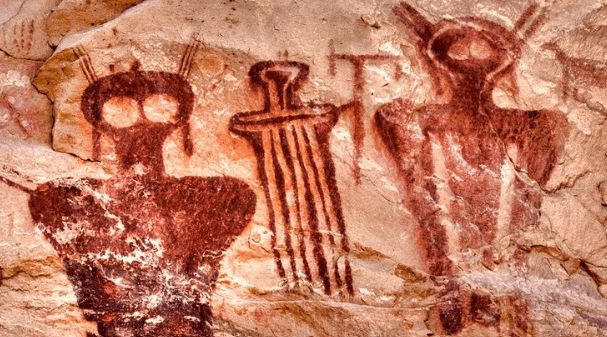
The Anasazi, also known as the Ancestral Pueblo (according to some sources), were one of the most influential Native American cultures in the southwestern United States. Their civilization flourished in the Four Corners region, where Utah, Arizona, New Mexico, and Colorado meet, between approximately 700 AD and 1000 AD. and 1300 AD.
The term Anasazi comes from the Navajo language and means “the ancient enemies,” although today many prefer to call them Ancestral Pueblo or Ancestral Pueblo, in respect to their descendants, the current Pueblo Indians, such as the Hopi and the Zuni.
Main characteristics of the Anasazi culture
Anasazi Architecture: Cliff Houses and Stone Cities
One of the most impressive features of the Anasazi culture is its monumental architecture. The Anasazi built stone and adobe dwellings embedded in cliffs, such as the famous Mesa Verde houses, and large urban complexes such as Pueblo Bonito in Chaco Canyon. These structures demonstrate an advanced understanding of community planning, astronomical orientation, and strategic defense.
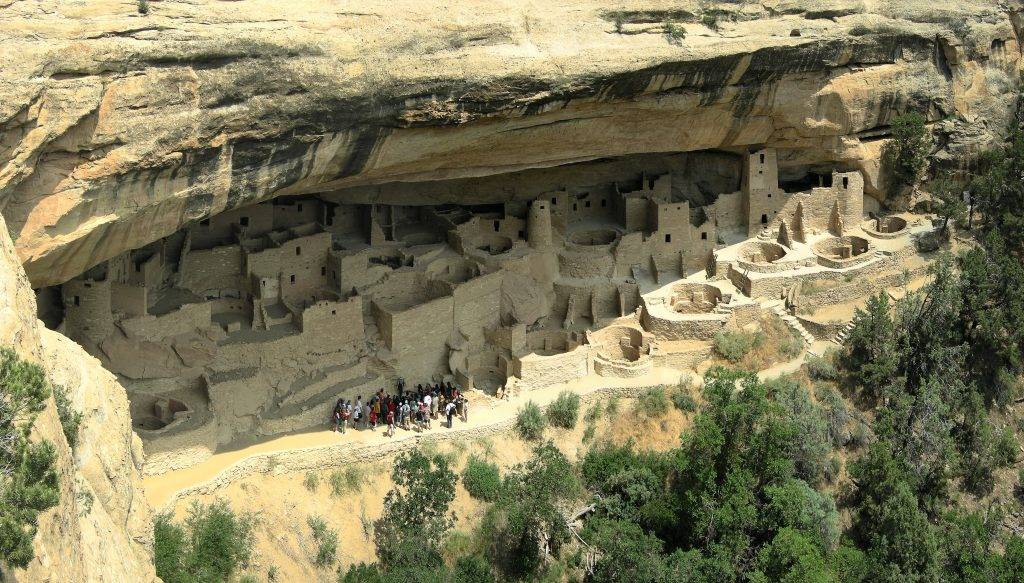
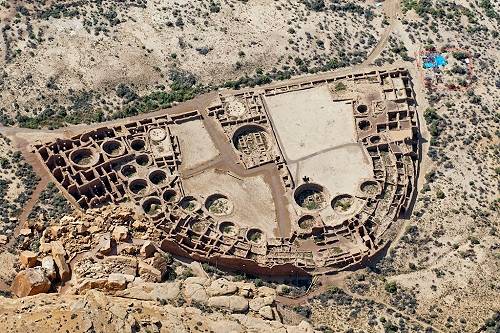
The Anasazi pueblos were true prehistoric urban centers, with large multi-story houses, plazas, and underground kivas used for religious rituals.
Anasazi Agriculture: Corn, Beans, and Squash
The Anasazi Indians were skilled farmers. They grew primarily corn, beans, and squash, using innovative irrigation techniques adapted to the arid climate of the Colorado Plateau. They built canals, reservoirs, and dams to take full advantage of rainfall and melting snow.
Anasazi Pottery: Art and Symbolism
Another important legacy of the Anasazi is their ancestral pottery, considered one of the most representative artistic expressions of this culture. The Anasazi created vessels, jars, bowls, and jugs decorated with complex geometric designs, black and white patterns, spiral symbols, crisscrossing lines, and abstract figures that continue to intrigue archaeologists and art historians today.
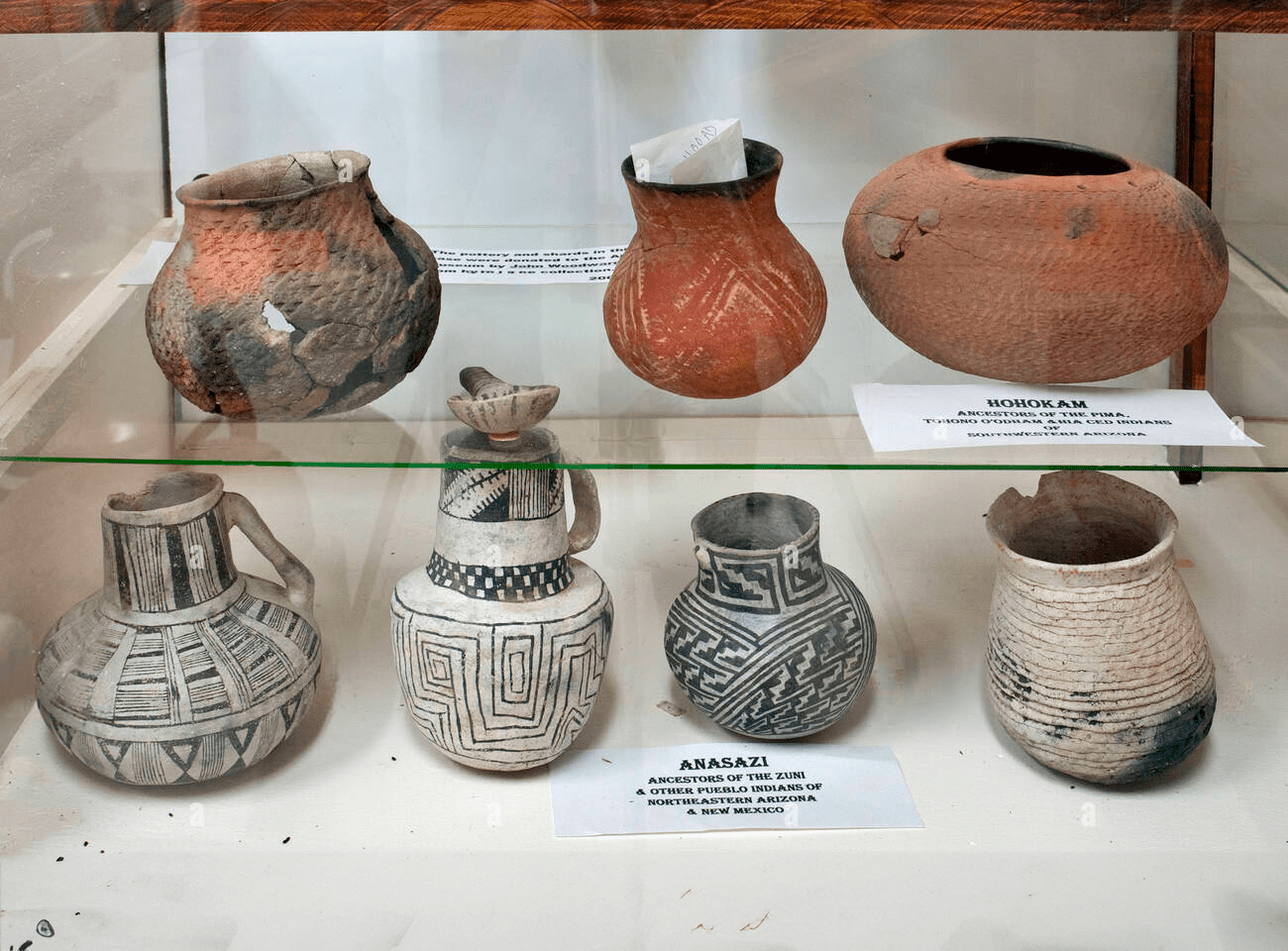
This Anasazi pottery not only served utilitarian functions, such as storing food or water, but also had strong ceremonial and symbolic value.
Some pieces were used in religious rituals within the kivas or were offered as gifts. Furthermore, pottery was a key exchange commodity in the Anasazi people’s trade network, which connected with other cultures in Oasisamerica and Mesoamerica.
The quality, style, and iconography of Anasazi pottery allow us to trace social changes, migrations, and ties between different communities in the Four Corners region.
Anasazi spirituality: kivas, Kokopelli and symbols
The Anasazi religion was deeply tied to nature and agricultural cycles, reflecting their spiritual connection to the earth, the sun, the moon, and the seasons. They believed in spirits known as kachinas, invisible beings who mediated between humans and the forces of nature, bringing rain, fertility, and protection to the community.
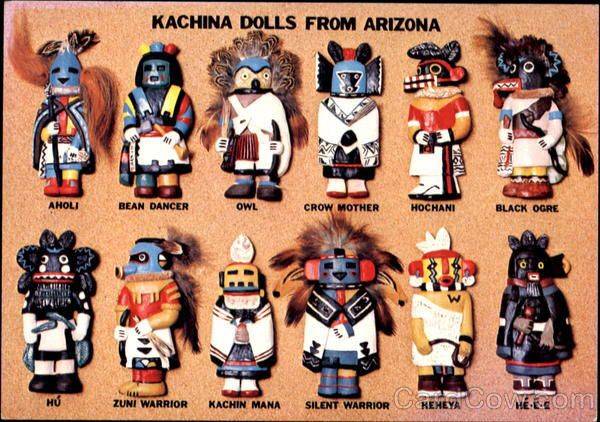
They also worshipped deities such as Kokopelli, the mischievous god of fertility, music, and abundance, depicted with his signature flute, a symbol still found carved on numerous Anasazi petroglyphs.
The center of Anasazi Indian spiritual life were kivas, underground ceremonial chambers built in the heart of pueblo sites and cliff dwellings. Dances, songs, rainmaking rituals, passage ceremonies, and meetings of the council of elders were held in these kivas.
For the Anasazi, each ceremony strengthened the connection between the earthly world and the spiritual world, ensuring the balance and prosperity of the community. Today, descendants of the Anasazi peoples, such as the Hopi and Zuni, keep many of these spiritual traditions inherited from the Anasazi culture alive.
@margaritaarnalmoscardo LOS ANASAZI. historiaverdadera #arqueologia #crecimientopersonal #margaritaarnal #reencarnacion #primerascivilizaciones #videncia #psiquico #zen #meditaciontrascendental #meditacionespiritual historiaverdadera #ufo #mufon #tarot #tarotegipcio #misteriosdelmundo #paranormal #bioenergia
♬ sonido original - Margarita Arnal Moscardo - Margarita Arnal Moscardo
Around 1300 AD, the Anasazi Indians abruptly abandoned their cities. The most accepted theories point to long periods of drought, severe climate change, and possible internal conflicts or conflicts with other Native Americans.
Many descendants of this civilization migrated and gave rise to the present-day Hopi and Zuni peoples.
Today, Pueblo Indians, such as the Hopi and Zuni, maintain many Anasazi traditions, from religious ceremonies to pottery and farming techniques.
Although their exact ethnic continuity is debated, their cultural legacy endures as a symbol of adaptation, resilience, and respect for the land.
Exploring Anasazi culture helps us understand how a civilization was able to thrive in an arid environment thanks to its ingenuity in architecture, agriculture, and social organization.
Its history inspires archaeologists, travelers, and lovers of North America’s ancient cultures.
Bibliography and links of interest
Wikivoyage (2025) “The Four Corners”, at https://es.wikivoyage.org/wiki/Cuatro_Esquinas
Ecologíaverde (2025) “Tribes and Names of American Indian Tribes”, available at https://www.ecologiaverde.com/indios-americanos-nombres-de-tribus-y-sus-costumbres-2652.html
Historia Entrada (2024) “What the Incas REALLY ate before the CONQUEST ESPAÑOLA”, in
https://youtu.be/tegIoErFnqU
Inca Moyachoke (2018) “The kiva, indigenous ritual element”, in colombiaindigenawordpress.com, https://colombiaindigena.wordpress.com/2018/10/18/la-kiva-elemento-ritual-indigena/
School of Natural Spirituality (2018) “Do you know Kokopelli?”, in https://www.youtube.com/watch?v=SVHP4F4OSZE