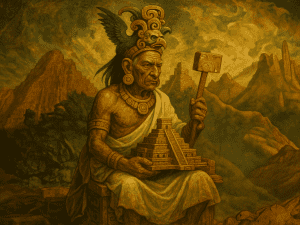
The Caral Culture, also known as the Caral-Supe Civilization, is considered the oldest civilization in the Americas. It developed in the Supe Valley, on the north-central coast of Peru, around 3000 BC and flourished for more than a millennium. Its capital was the Sacred City of Caral, an impressive urban center with monumental pyramids, circular plazas, and earthquake-resistant architecture that still amazes archaeologists.
The discovery of the city was led by Dr. Ruth Shady, director of the Caral Archaeological Zone, who, together with her team, has been investigating this 66-hectare site for more than 25 years. Thanks to her work, we know today that Caral was contemporary with other great civilizations such as Egypt, Mesopotamia, or India, but with the particularity of having emerged in complete peace, without evidence of wars or fortifications.
What is known so far about the Caral culture
The Caraline economy was based on agriculture (cotton, beans, squash) and fishing along the Pacific coast, especially around the port of Supe. From the earliest settlements (3000–2700 BC), they established trade networks with the mountains and the jungle, trading products such as cotton, dried fish, sodalite from Bolivia, and the Spondylus mollusk from Ecuador.
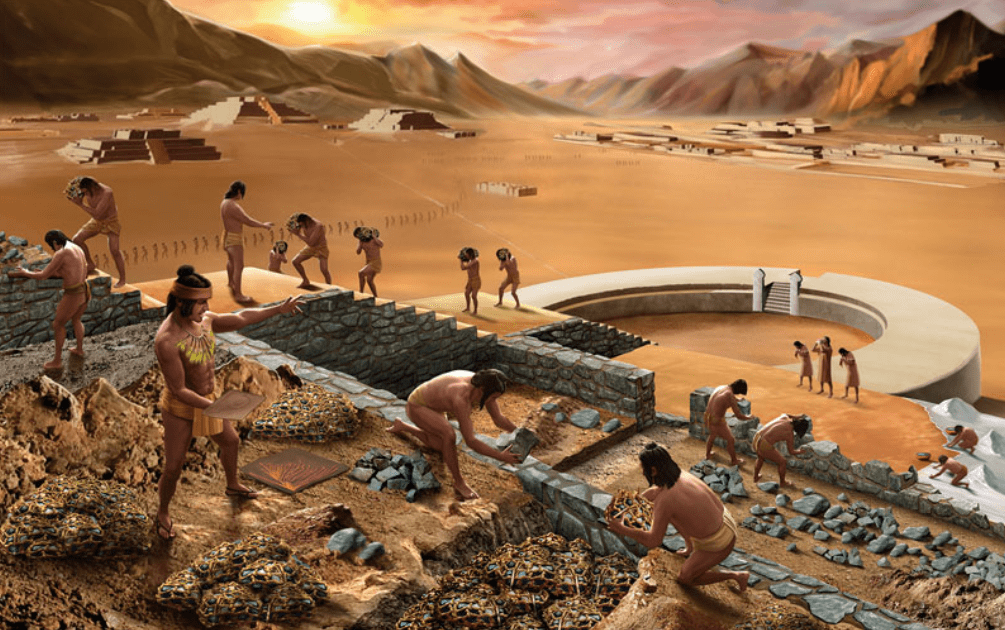
The Caral Culture was noted for its knowledge of:
Astronomy: They built pyramids oriented toward the stars and possible solar observatories.
Anti-seismic engineering: Their buildings were designed to withstand earthquakes.
Monumental architecture: Stepped pyramids, sunken circular plazas, central fire altars, and ventilation systems.
Textiles and music: They woven cotton fabrics and made wind instruments.
Primitive quipu: They are believed to have pioneered the use of the quipu, a recording system using ropes and knots.
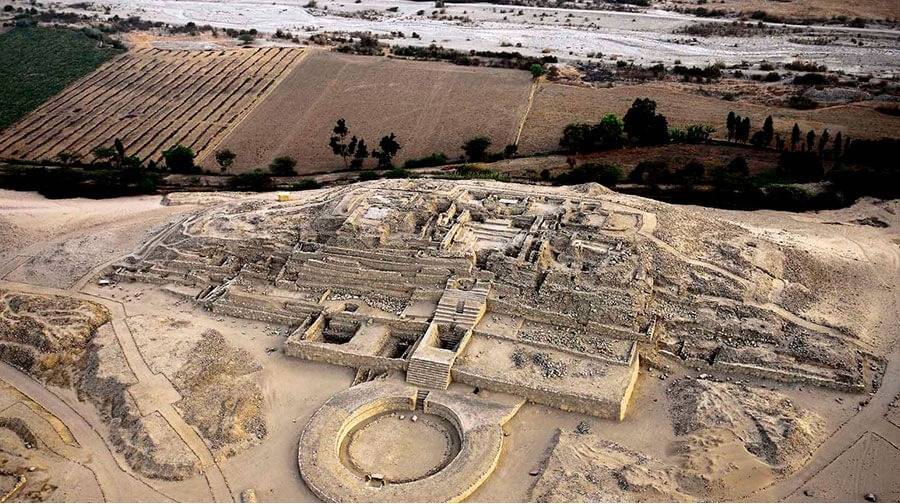
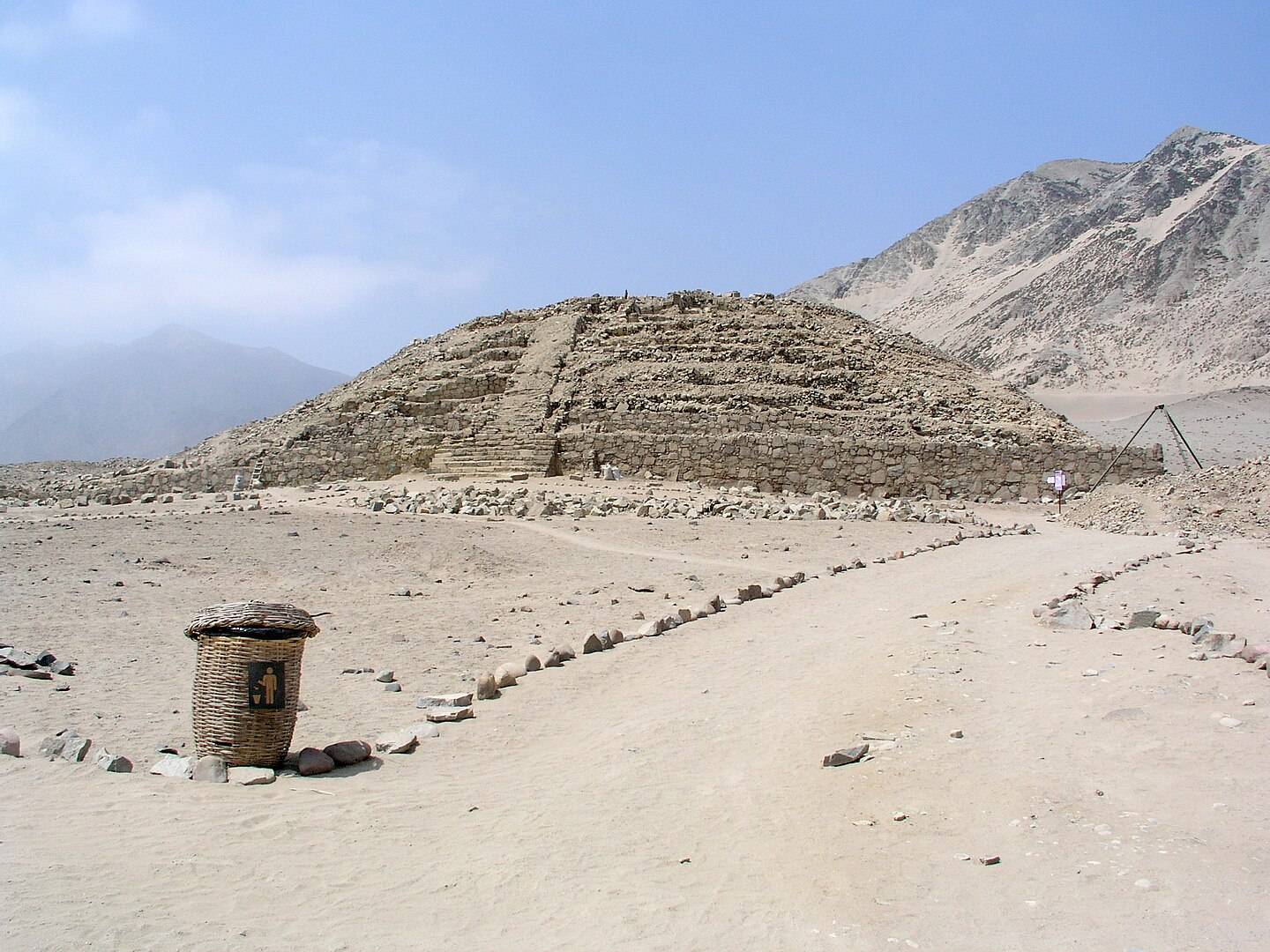
The urban complex includes six large pyramids, such as the Great Pyramid and the Amphitheater Pyramid, as well as temples and ceremonial plazas. One of its most striking features is the sunken circular plazas, where religious rituals were performed with fire and offerings.
Unlike other cultures, Caral did not have walls: it was built on a natural terrace that protected it from natural disasters.
The mysteries and legacy of the Caral civilization
The Caral Culture is not only surprising for its antiquity and monumentality, but also for the enigmas that still surround its history. Unlike other contemporary civilizations, Caral shows no traces of organized violence or warfare.
No walls, fortresses, or warrior cemeteries have been found. Instead, archaeological evidence points to a society that based its stability on cooperation, religion, and peaceful trade, making it a unique case within ancient cultures.
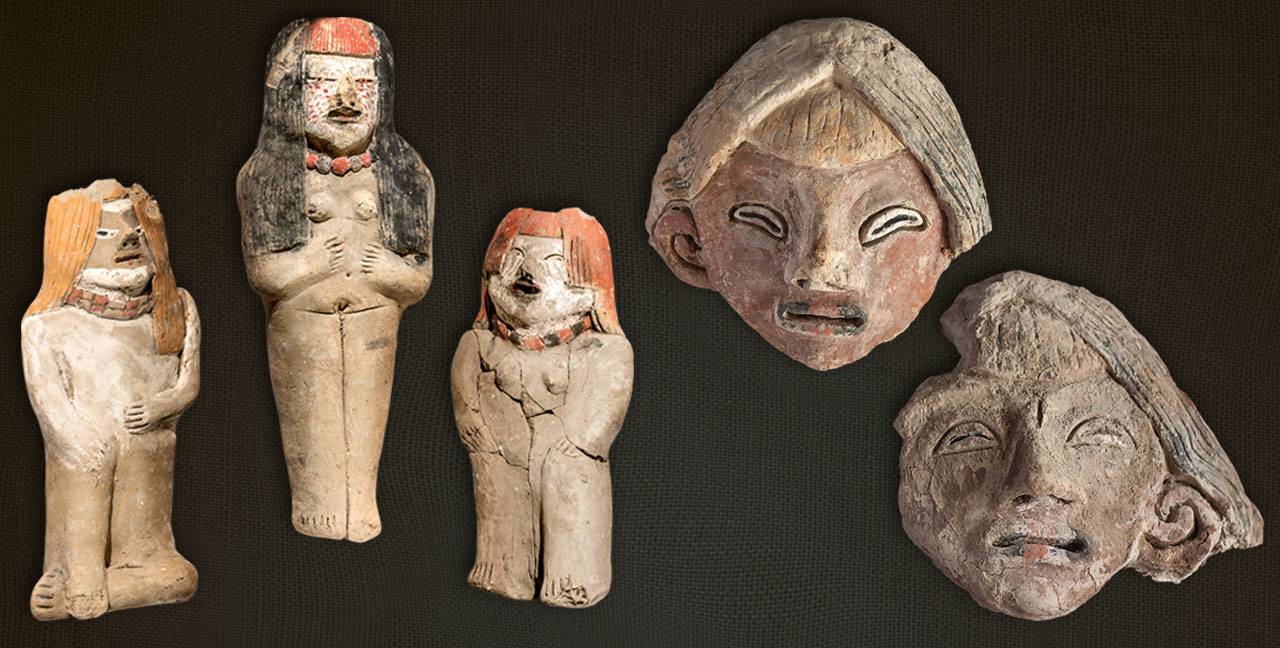
One of the greatest mysteries of Caral is the scarcity of human remains. While mummies abound in other Andean cultures such as the Nazca or the Inca, formal burials have hardly been found in Caral.
Archaeologists are still debating whether this absence is due to different funerary rituals (perhaps related to cremation or ritual deposits in sites not yet excavated) or to a radically different way of understanding death.
The end of Caral is also an enigma laden with lessons. Dr. Ruth Shady’s studies reveal that the civilization collapsed around 1800 BC due to extreme climate change: prolonged droughts, earthquakes, and the advance of sand dunes that buried cultivated fields.
This fact shows how even advanced societies can be vulnerable to environmental crises, a message that is still relevant today.
Today, more than 5,000 years later, the Sacred City of Caral continues to inspire archaeologists, historians, and travelers from around the world, not only as a testament to the oldest civilization in the Americas, but also as an example of social harmony and sustainability that still holds many secrets to be discovered.
The Caral site today
The Sacred City of Caral is located in the middle valley of the Supe River, in the province of Barranca, north of Lima (kilometer 184 of the Panamericana Norte highway).
@margaritaarnalmoscardo LA CULTURA CARAL-misteriosa y unica #crecimientopersonalyespiritual #culturaverdadera #arqueologia #arqueologiaprohibida #antropologia #margaritaarnal #tarotegipcio #espiritualidad #espiritualidadcotidiana #historia #historiaverdadera #psiquico #medium #fenomenoparanormal #paranormal #ufo #mufon #lamastibetanos #zen culturacaral
♬ sonido original - Margarita Arnal Moscardo - Margarita Arnal Moscardo
Today, it is one of Peru’s most important tourist and archaeological destinations and a UNESCO World Heritage Site.
While in Mesopotamia, Egypt, or Mesoamerica, wars were a fundamental part of power, Caral demonstrated that it was possible to sustain a civilization for centuries without the need for organized violence.
Its social system was based on a theocratic-administrative government, where political and religious authority were united, and on the exchange of goods and knowledge.
This model makes it one of the few cultures in history that relied on peace and cooperation as pillars of its development.
Caral’s true legacy is twofold:
On the one hand, its contribution to later Andean cultures, which inherited its architecture, astronomy, and agricultural practices.
On the other, the universal message of a society that prospered without war, prioritizing science, religion and the relationship with nature.